

Mindfulness has become a powerful tool in navigating the challenges of modern life. Whether it’s managing stress, improving focus, or fostering emotional balance, mindfulness offers a pathway to a more peaceful and purposeful existence.
As someone who’s been on this journey, I know firsthand how transformative mindfulness can be—not just for personal growth but also as a way to impact others. That’s where Mindfulness Teacher Training comes into play.
Mindfulness Teacher Training equips you with the skills, knowledge, and confidence to share mindfulness practices with others. It’s not just about learning techniques; it’s about deepening your own practice and finding ways to help others do the same.
In this post, I’ll walk you through everything you need to know about this transformative journey, from its benefits to what you can expect from a mindfulness teaching course.
Understanding Mindfulness Teacher Training
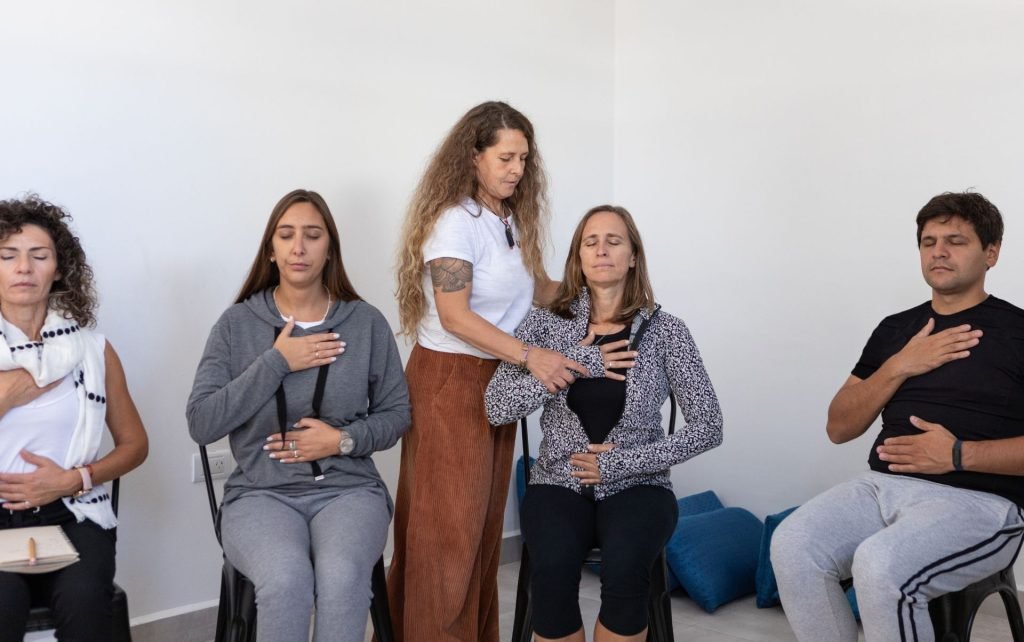
What is Mindfulness Teacher Training?
Mindfulness Teacher Training is a comprehensive program designed to help individuals learn how to teach mindfulness effectively.
It combines foundational knowledge, practical exercises, and teaching methodologies to empower aspiring mindfulness teachers. These programs go beyond simply practicing mindfulness; they focus on equipping you to guide others through their own mindful journeys.
Why It Matters
Mindfulness is no longer a niche practice; it has become a cornerstone of personal and professional wellness.
With the rising awareness of mental health and well-being, the demand for qualified mindfulness teachers is growing. Mindfulness Teacher Training allows you to meet this demand, offering tools to foster well-being in individuals, organizations, and communities.
Benefits of Becoming a Mindfulness Teacher
Personal Development
One of the most rewarding aspects of becoming a mindfulness teacher is the opportunity for personal growth. Teaching mindfulness requires a deep understanding and commitment to your own practice.
As you prepare to teach others, you’ll notice a profound transformation in your own life—greater self-awareness, emotional resilience, and a stronger connection to the present moment.
Professional Opportunities
The professional benefits of mindfulness teaching are immense.
As a certified mindfulness teacher, you can work in various settings, including schools, corporations, healthcare facilities, and community organizations. Mindfulness Teacher Training opens doors to roles like wellness coach, corporate mindfulness trainer, or even a private mindfulness consultant.
Making a Difference
At its core, mindfulness teaching is about service. It’s about helping others find peace in their lives, navigate challenges with grace, and build a foundation for long-term well-being. As a mindfulness teacher, you have the privilege of making a tangible difference in the lives of others.
Key Components of a Mindfulness Teaching Course
A well-structured mindfulness teacher training course typically includes the following components:
Foundational Knowledge
You’ll begin with the basics: understanding the history and philosophy of mindfulness. You’ll explore its roots in ancient practices and its evolution into a modern-day wellness tool.
Additionally, you’ll learn about the science behind mindfulness, including how it impacts the brain and nervous system.
Core Practices
Mindfulness exercises form the heart of any teaching course. These include:
- Breath Awareness: Focusing on the breath to anchor the mind.
- Body Scanning: Bringing attention to different parts of the body to release tension.
- Loving-Kindness Meditation: Cultivating compassion for oneself and others.
- Mindful Movement: Incorporating gentle physical activities to enhance awareness.
Teaching Skills Development
Learning to teach mindfulness involves more than mastering the practices. You’ll also develop the skills needed to guide others, such as:
- Leading guided meditations.
- Creating inclusive and supportive learning environments.
- Adapting techniques to suit diverse audiences.
Practical Application
Finally, a good mindfulness teaching course emphasizes practical application.
You’ll learn how to integrate mindfulness exercises into daily routines and how to help others do the same.
Types of Mindfulness Teaching Courses
Free Resources
If you’re just starting out, free resources can be an excellent way to dip your toes into the world of mindfulness teaching. Websites like MindfulnessExercises.com offer a wealth of free mindfulness exercises and materials to help you build your foundational knowledge.
Certified Courses
Certification is essential for those looking to establish themselves as credible mindfulness teachers.
Certified courses provide structured learning, mentorship, and a recognized qualification that sets you apart in the field. Programs like those at MindfulnessExercises.com are highly regarded and offer comprehensive training.
Premium Training Options
For those seeking in-depth training, premium courses are a worthwhile investment. These programs often include advanced mindfulness techniques, personalized mentorship, and access to exclusive resources. They’re ideal for individuals committed to mastering mindfulness teaching and taking their practice to the next level.
The Journey to Teaching Mindfulness
Step 1: Building Your Personal Practice
Before you can teach mindfulness, you need to embody it. Dedicate time to your own mindfulness exercises, such as daily meditation or mindful walking. The stronger your practice, the more authentically you’ll be able to teach.
Step 2: Enrolling in a Training Program
Choose a mindfulness teaching course that aligns with your goals. Look for programs that offer a balance of theoretical knowledge and practical application. Commit to the learning process and take advantage of opportunities to engage with peers and mentors.
Step 3: Practicing Teaching Skills
As you progress through your training, practice your teaching skills. Start small—perhaps with friends or community groups—and gradually build your confidence. The more you practice, the more comfortable you’ll become in guiding others.
Incorporating Mindfulness Exercises into Your Teaching
Beginner-Friendly Techniques
For those new to mindfulness, start with simple exercises like the 3-minute breathing space or mindful eating. These practices are easy to understand and provide immediate benefits.
Advanced Practices
For more experienced participants, introduce techniques like mindfulness-based stress reduction (MBSR) or advanced meditation practices. Tailor your approach to meet the needs of your audience.
Tailoring for Specific Needs
Adapt your teaching to suit different groups. For instance, use playful exercises for children, stress management techniques for corporate teams, or gentle practices for individuals with physical limitations.
Challenges of Mindfulness Teaching and How to Overcome Them
Common Obstacles
Teaching mindfulness comes with its challenges. You may encounter resistance from skeptical participants or struggle with self-doubt as a new teacher.
Effective Solutions
Build your confidence by practicing regularly and seeking support from mentors and peers. Resources like MindfulnessExercises.com offer community support to help you navigate these challenges.
The Role of Mindfulness Teacher Certification
Why Certification Matters
Certification provides credibility and opens doors to professional opportunities. It assures potential clients or employers that you have the skills and knowledge to teach mindfulness effectively.
Insights into Certification Programs
Programs like Mindfulness Exercises Certification Course offer structured learning and mentorship. They’re designed to help you succeed as a mindfulness teacher and make a meaningful impact.
Exploring Premium Mindfulness Training Programs
What Premium Programs Offer
Premium mindfulness teacher training programs provide in-depth learning experiences, including access to advanced techniques, mentorship, and exclusive resources.
Benefits of Premium Programs
These programs offer personalized guidance and opportunities to network with other aspiring teachers. They’re perfect for those serious about mastering mindfulness teaching.
Success Stories
Many graduates of premium programs have gone on to build successful careers as mindfulness teachers, making a difference in their communities and beyond.
The Future of Mindfulness Teaching
Mindfulness Trends
The demand for mindfulness continues to grow across industries. From corporate wellness programs to schools, mindfulness is being integrated into diverse settings.
Innovations in Teaching
Technology is playing a significant role in mindfulness education. Online courses, apps, and virtual sessions are making mindfulness more accessible than ever.
Inspiring the Next Generation
By becoming a mindfulness teacher, you’re contributing to a global movement that promotes peace, presence, and purpose. You’re inspiring others to lead more mindful lives.
Conclusion
Mindfulness Teacher Training is more than just a program; it’s a journey of personal and professional transformation. By deepening your own practice and learning to teach others, you can make a meaningful impact on the world around you.
If you’re ready to embark on this path, explore the training options available at MindfulnessExercises.com. Whether you’re seeking free resources, certification, or premium programs, there’s something for everyone.
Take the first step today and join the growing community of mindfulness teachers. Together, we can create a more mindful and compassionate world.