
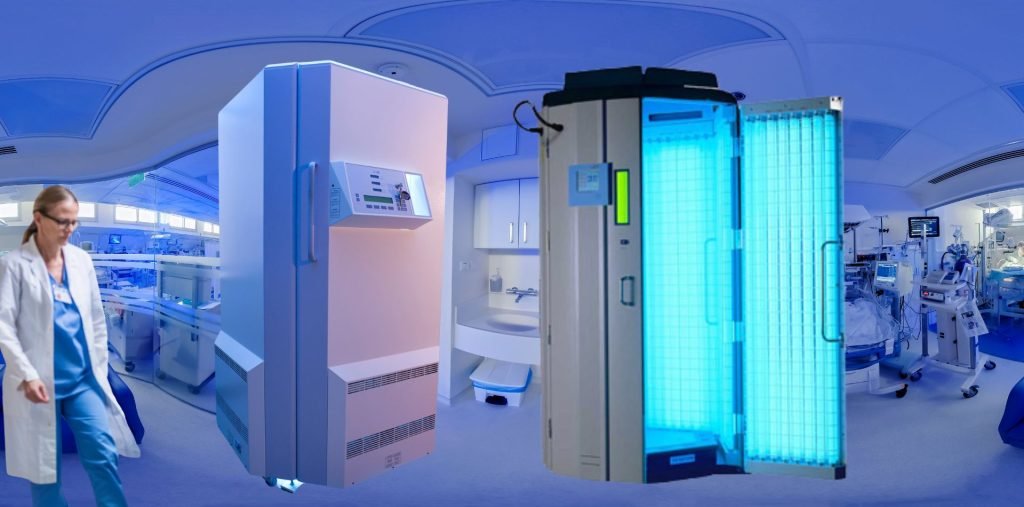
Living with psoriasis can feel like a never-ending battle. The discomfort, self-consciousness, and constant search for effective treatments are challenges that many of us face.
While there’s no cure, there are innovative ways to manage symptoms—and one of the most promising is phototherapy light boxes. These devices use targeted light to reduce inflammation, slow down rapid skin cell turnover, and bring relief to those dealing with psoriasis.
In this post, I’ll walk you through everything you need to know about phototherapy light boxes, from how they work to their incredible benefits. Whether you’re new to the concept or curious about how to get started, this guide has you covered. Let’s explore why psoriasis light therapy is a game-changer.
Understanding Psoriasis and Its Challenges
What is Psoriasis?
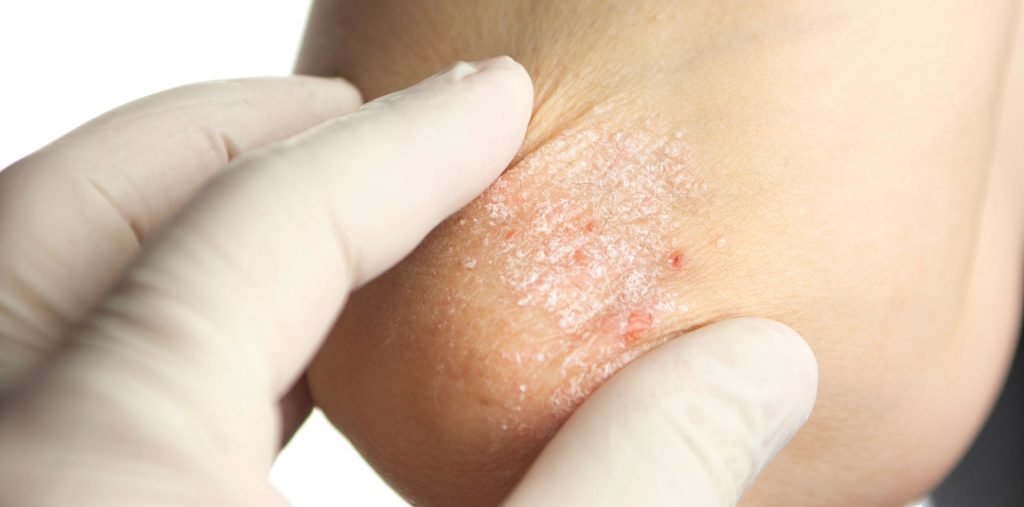
Psoriasis is a chronic autoimmune condition that causes the rapid buildup of skin cells, leading to scaling, redness, and inflammation. These symptoms can vary in severity, from small patches to widespread areas that affect quality of life.
Common triggers include stress, infections, cold weather, and even hormonal changes.
Why Traditional Treatments Sometimes Fall Short
While topical creams, systemic medications, and biologics can help manage psoriasis, they often come with limitations. Many of these treatments only address symptoms temporarily, and some carry significant side effects. This is where phototherapy light boxes shine, offering a targeted, non-invasive alternative.
Introduction to Phototherapy as a Solution
Phototherapy light boxes use ultraviolet B (UVB) light to treat psoriasis directly on the skin. By slowing down the overproduction of skin cells, this therapy minimizes scaling, redness, and discomfort, offering a more sustainable approach to symptom management.
What is a Phototherapy Light Box for Psoriasis?
Defining Phototherapy Light Boxes
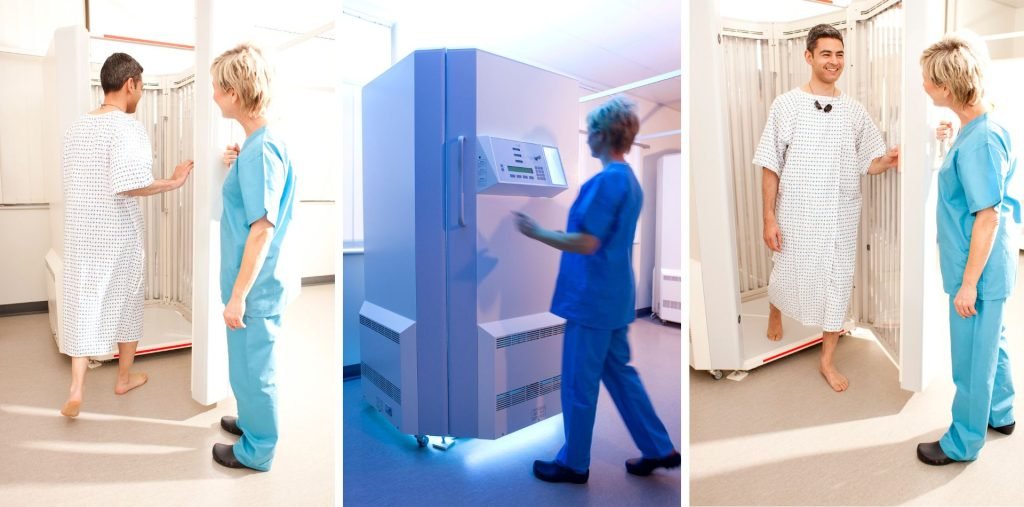
Phototherapy light boxes are devices designed to emit controlled doses of UVB light, which penetrates the skin to reduce inflammation and slow rapid cell growth. These boxes are safe for home use or can be administered under medical supervision in a clinical setting.
How It Works
UVB light targets overactive skin cells, helping to normalize their production. By reducing inflammation and minimizing scaling, phototherapy light boxes improve the skin’s appearance and comfort. This process underscores many psoriasis light therapy benefits while aligning with natural biological processes, much like Circadian Rhythm Examples that regulate sleep and wake cycles.
Types of Phototherapy
- Narrowband UVB Therapy: Uses a specific wavelength of light for maximum effectiveness and minimal side effects.
- Broadband UVB Therapy: Covers a broader spectrum but may require more sessions.
- Home-Use Light Boxes: Portable devices designed for convenience and long-term treatment.
- In-Clinic Treatments: Conducted under professional supervision for personalized care.
Benefits of Using a Phototherapy Light Box for Psoriasis
Targeted Treatment
Phototherapy offers precise treatment for affected areas, reducing symptoms without impacting healthy skin.
Fewer Side Effects
Unlike systemic medications, which affect the entire body, UVB light therapy is localized, minimizing side effects.
Improved Quality of Life
Regular use of phototherapy light boxes has been shown to enhance self-esteem, confidence, and overall comfort by reducing visible symptoms.
Cost-Effectiveness
Although the initial investment may seem high, home-use phototherapy devices often save money over time compared to long-term prescriptions.
Natural Approach
The appeal of using light as a natural, non-invasive treatment resonates with those seeking alternatives to medications. The process mirrors the benefits of light exposure seen in Circadian Rhythm Examples, which improve mental and physical health.
How to Use a Phototherapy Light Box for Psoriasis at Home
Getting Started
Before starting treatment, consult a dermatologist to determine whether a phototherapy light box is suitable for you. They’ll provide guidance on the type of light box, session duration, and frequency.
Setting Up at Home
Create a dedicated space for your light therapy sessions. Ensure the area is clean, quiet, and free from distractions. Follow the manufacturer’s instructions for safe setup and operation.
Frequency and Duration
Most treatments begin with short sessions (2-5 minutes) three to five times a week. As your skin adjusts, session times may increase. Always adhere to your dermatologist’s recommendations to avoid overexposure.
Monitoring Progress
Keep a journal to track symptom improvement and note any side effects. This information will help you and your dermatologist refine your treatment plan.
Choosing the Right Phototherapy Light Box for Psoriasis
Features to Look For
When selecting a light box, consider size, portability, and safety features. Ensure the device has FDA approval for home use.
Top Brands and Models
Explore reputable brands recommended by dermatologists, focusing on models with proven results and user-friendly designs.
Cost Considerations
While the initial cost of a light box may seem steep, think of it as an investment in long-term symptom relief and reduced medical expenses.
Where to Buy
Look for devices through trusted medical suppliers or dermatologist recommendations to ensure quality and safety. See below for list of suppliers:
USA – natbiocorp.com – daavlin.com
UK – medlight.co.uk
Potential Risks and Precautions
Risks of UV Exposure
While UVB therapy is generally safe, overexposure can cause redness, irritation, or an increased risk of skin cancer. This is why it’s essential to follow treatment guidelines closely.
Who Should Avoid Phototherapy?
Individuals with a history of skin cancer, photosensitivity disorders, or those taking certain medications should consult their doctor before starting phototherapy.
Safety Tips
- Wear protective goggles during sessions to shield your eyes from UV light.
- Moisturize your skin before and after treatments to minimize dryness.
- Schedule regular checkups with your dermatologist to monitor progress.
Success Stories and Real-Life Examples
Personal Anecdotes

Take Sarah, who struggled with severe psoriasis for years. After incorporating phototherapy into her routine, she experienced significant improvements in both her symptoms and confidence.
Similarly, Tom found relief from his flare-ups after switching to a home-use light box, allowing him to enjoy more activities without worry.
Clinical Results
Numerous studies highlight the effectiveness of UVB therapy for psoriasis. Patients report reduced scaling, improved skin texture, and fewer flare-ups after consistent treatment. These outcomes reinforce the value of psoriasis light therapy benefits for long-term management.
Encouragement to Try Phototherapy
Hearing these stories, it’s clear that phototherapy can be a life-changing option for many people living with psoriasis.
Conclusion
Phototherapy light boxes offer an innovative, effective way to manage psoriasis symptoms. By targeting inflammation and normalizing skin cell production, they improve both physical and emotional well-being. From fewer side effects to enhanced quality of life, the psoriasis light therapy benefits are truly transformative.
If you’re ready to take control of your psoriasis, consult your dermatologist and explore whether a light box is right for you. Like Circadian Rhythm Examples that demonstrate the power of natural cycles, phototherapy aligns with your body’s needs, offering a gentle yet powerful path to relief.
Take the first step today toward healthier, more comfortable skin. Share your experiences and let others know how phototherapy has made a difference in your life!
This blog post balances personal stories, actionable advice, and scientific insights to provide a thorough understanding of phototherapy for psoriasis. Let me know if you’d like any additional sections or adjustments!