

Anxiety in relationships is something I’ve encountered more times than I can count, both personally and through conversations with friends. It’s that nagging voice in the back of your head, making you question your partner’s feelings or the stability of the relationship.
If you’ve felt this way, you’re not alone. Anxiety in relationships is common, and while it can feel overwhelming, there are ways to recognize and manage it effectively.
What Is Relationship Anxiety?
Relationship anxiety is a persistent worry or insecurity within a romantic partnership. It can show up in several ways, like doubting your partner’s feelings, needing constant reassurance, or overanalyzing their words and actions.
For me, it often looked like questioning why they took so long to text back or worrying about whether I was doing enough to keep them happy.

This anxiety doesn’t just stay in your head. Emotionally, it can cause fear and insecurity. Physically, it might feel like a racing heart, restlessness, or even fatigue. Recognizing these signs is an essential first step toward addressing the issue.
Causes of Relationship Anxiety
When I dug into why I felt anxious in relationships, I realized it often stemmed from my past experiences and attachment style. Here are some common causes:
- Past Relationship Experiences: If you’ve been through betrayals or heartbreak, it’s natural to carry some of that fear into your current relationships. For me, a past breakup where trust was broken made me wary of being vulnerable again.
- Attachment Styles: Our early relationships with caregivers shape how we attach to others. An anxious-preoccupied attachment style, where you crave closeness but fear rejection, can make adult relationships feel unstable.
- Self-Esteem and Self-Worth: I’ve noticed that when my self-esteem is low, my relationship anxiety tends to spike. If you’re not confident in yourself, it’s easy to doubt that someone else values you.
- Fear of Vulnerability: Opening up to someone can be scary, especially if you’ve been hurt before. This fear can fuel anxiety, making you hesitant to let someone in fully.
Recognizing Relationship Anxiety

If you’re wondering whether you’re experiencing relationship anxiety, take some time to reflect on your thoughts and behaviors. For me, it helped to journal my feelings and notice patterns. Common signs include:
- Overthinking your partner’s actions or words.
- Avoiding discussions about the future.
- Testing your partner’s love or commitment.
- Feeling the need to check in constantly.
It’s also essential to recognize how this anxiety impacts your relationship. For instance, I’ve seen how my overthinking could lead to unnecessary conflicts or make my partner feel like they were walking on eggshells. Identifying these effects is the first step toward change.
Effects of Relationship Anxiety
Relationship anxiety doesn’t just affect how you feel; it can impact your overall well-being and your connection with your partner.
- On the Individual: Anxiety can be emotionally draining, leading to stress, irritability, and even mental health struggles like depression. I’ve experienced sleepless nights and days where I felt too overwhelmed to focus on anything else.
- On the Relationship: It can strain communication and intimacy. For example, constantly seeking reassurance can make your partner feel overwhelmed, while your fear of vulnerability might create emotional distance.
Strategies to Manage Relationship Anxiety
Thankfully, there are practical ways to address anxiety in relationships. These strategies have helped me and might work for you too:
Open Communication
Talking openly with your partner about your fears and concerns can be a game-changer. I’ve found that expressing my feelings, rather than bottling them up, helps me feel heard and understood. It also gives your partner a chance to reassure you in ways that matter.
Therapeutic Interventions
Sometimes, you need professional help to navigate relationship anxiety. Individual therapy has been invaluable for me in addressing my past traumas and building healthier thought patterns.
Couples therapy can also help improve communication and strengthen your bond.
Self-Care Practices
Taking care of yourself is crucial. Whether it’s practicing yoga, journaling, or spending time with friends, self-care helps me stay grounded. It’s also a reminder that I’m more than just my relationship.
Building Self-Esteem
Working on your self-esteem can reduce anxiety. For me, this meant setting personal goals and celebrating my achievements. Self-compassion exercises, like writing myself a kind letter, also helped shift my mindset.
Mindfulness and Stress-Reduction Techniques
Mindfulness practices, like meditation and deep breathing, have been lifesavers during anxious moments. When I feel my anxiety rising, I take a few minutes to focus on my breath, which calms my mind and body.
When to Seek Professional Help
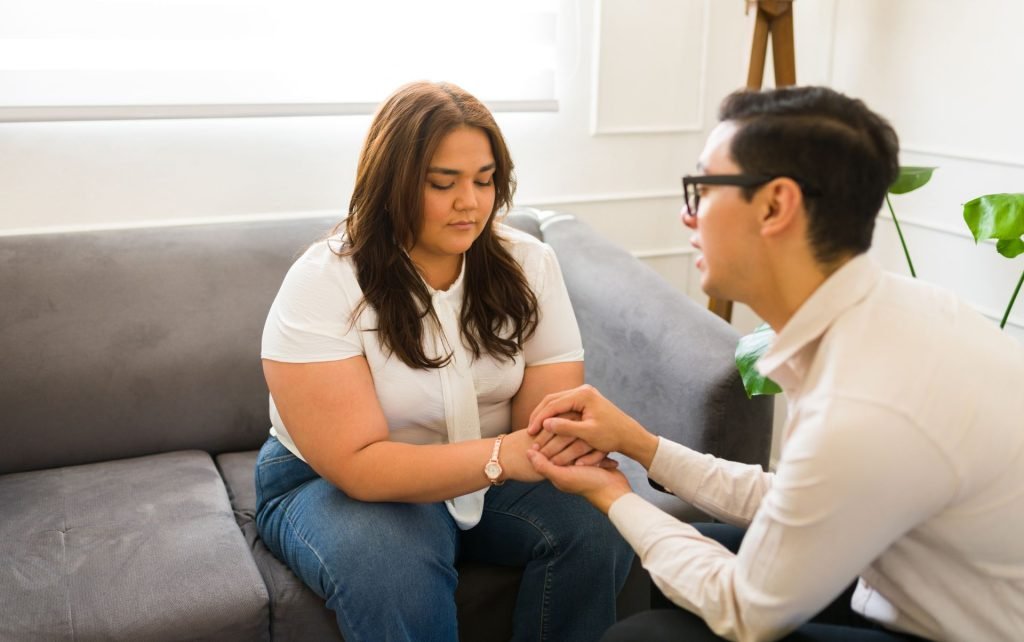
If your anxiety feels unmanageable or is affecting your daily life, it’s time to seek help. Persistent worry, difficulty concentrating, or frequent conflicts in your relationship are signs that professional support could make a difference.
Therapies like Cognitive Behavioral Therapy (CBT) are particularly effective for addressing relationship anxiety.
They help you challenge negative thought patterns and replace them with healthier ones. Attachment-based therapies can also be useful in exploring how your early relationships influence your current ones.
Supporting a Partner with Relationship Anxiety
If you’re on the other side of the equation and your partner is the one experiencing anxiety, there are ways to support them without losing yourself in the process.
- Understanding and Patience: Try to see things from their perspective. For instance, I’ve appreciated when partners acknowledged my anxiety without judgment.
- Encouraging Open Dialogue: Create a safe space for your partner to share their concerns.
- Avoiding Triggers: Be mindful of behaviors that might exacerbate their anxiety, like being dismissive of their feelings.
- Promoting Reassurance: While you can’t be their sole source of reassurance, small gestures like saying, “I’m here for you,” can go a long way.
Building a Healthy Relationship Foundation
The ultimate goal is to create a relationship where both partners feel secure and valued. Here are a few ways to build that foundation:
- Establishing Trust: Trust doesn’t happen overnight, but consistent honesty and reliability can strengthen it over time.
- Setting Boundaries: Healthy boundaries protect both partners’ individuality while fostering mutual respect.
- Fostering Mutual Respect: Valuing each other’s perspectives, needs, and goals creates a balanced and fulfilling partnership.
- Shared Activities and Goals: Whether it’s cooking together, planning trips, or setting financial goals, shared experiences can deepen your connection.
Conclusion
Anxiety in relationships can feel like a heavy burden, but it’s not insurmountable. By understanding its causes, recognizing its signs, and implementing strategies to address it, you can navigate this challenge and build a healthier connection with your partner.
Remember, it’s okay to seek help, whether through therapy or open conversations with loved ones. Ultimately, addressing anxiety is a step toward greater self-awareness and deeper intimacy in your relationships.
If you’re struggling with relationship anxiety, know that you’re not alone, and there are tools and resources available to help.
You’ve got this, and your journey to a more secure and loving relationship starts here.
References
- Healthline. “Relationship Anxiety: Signs and Tips to Cope.” Healthline.