Anxiety can feel like a relentless storm inside your mind and body, leaving you tense, overwhelmed, and desperate for relief.
I’ve been there, too, struggling to catch my breath during moments when anxiety took over. That’s why I want to share something that has been life-changing for me and many others: breathing techniques rooted in Cognitive Behavioral Therapy (CBT).
These strategies are more than just deep breaths—they’re tools to regain control, reduce anxiety, and create a sense of calm when life feels anything but calm.
CBT breathing techniques for anxiety combine science and mindfulness, making them an effective and practical approach to managing anxious thoughts and feelings.
Let’s dive into how they work, why they matter, and how you can start using them today to find peace in the chaos.
Understanding the Role of Breathing in Anxiety
Anxiety impacts our bodies in profound ways, often triggering a “fight or flight” response. This ancient survival mechanism is useful in life-threatening situations, but it can cause unnecessary distress during everyday stressors.
One of the first physical symptoms we notice is a change in our breathing. It becomes shallow and rapid, which only amplifies feelings of panic and unease.
When I first learned about the connection between breathing and anxiety, it clicked. Rapid, shallow breaths can increase heart rate, dizziness, and feelings of being out of control.
This happens because hyperventilation reduces the amount of carbon dioxide in the blood, which disrupts the balance your body needs to function well. Understanding this gave me hope—if my breath could worsen anxiety, then surely it could also help alleviate it.
CBT focuses on breaking this cycle. Controlled breathing techniques allow you to engage the parasympathetic nervous system, the part of your body responsible for rest and relaxation.
This helps counteract the “fight or flight” response and brings your body back to a calmer state. The science is compelling: slowing your breath can slow your mind, offering a simple yet powerful way to manage anxiety.
Why CBT Emphasizes Breathing Techniques
CBT is all about addressing the connection between thoughts, feelings, and behaviors. Anxiety often creates a feedback loop where negative thoughts trigger physical symptoms, which then reinforce those negative thoughts.
Breathing techniques disrupt this loop by targeting the physical symptoms directly.
When I started CBT, my therapist explained that breathing exercises weren’t just about calming down in the moment. They were also a way to retrain my body’s response to stress over time. By practicing these techniques regularly, I learned how to prevent anxiety from spiraling out of control.
One key reason CBT emphasizes breathing techniques is their accessibility. You don’t need any special equipment, and you can practice them anytime, anywhere.
Whether you’re in a high-stress meeting, stuck in traffic, or lying awake at night, these tools are always available. They’re a foundational element of CBT for a good reason: they work.
Essential Breathing Techniques Used in CBT
Now, let’s explore some of the most effective breathing techniques that have helped me and countless others manage anxiety.
1. Diaphragmatic Breathing
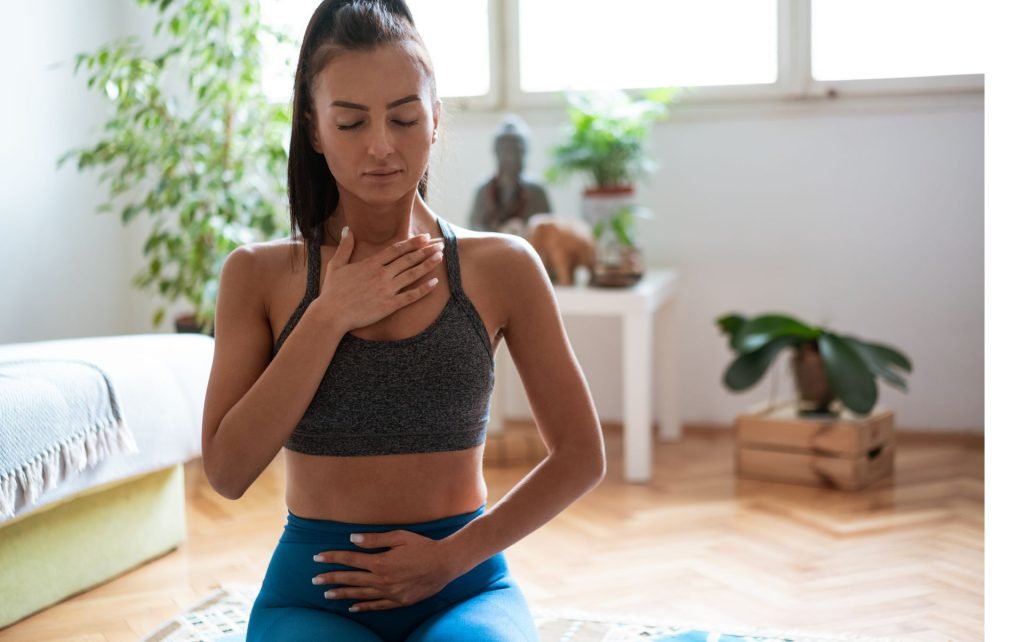
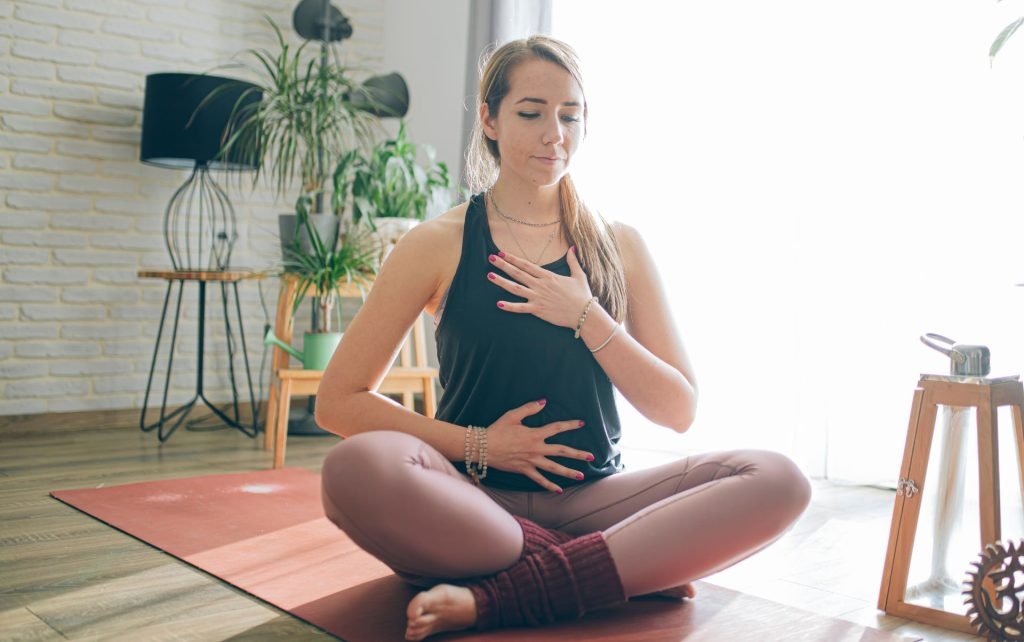
Also known as belly breathing, diaphragmatic breathing is all about engaging your diaphragm rather than your chest. This technique encourages deep, slow breaths that signal your body to relax.
Here’s how you can try it:
- Sit or lie down in a comfortable position.
- Place one hand on your chest and the other on your belly.
- Inhale deeply through your nose, ensuring your belly rises while your chest remains still.
- Exhale slowly through your mouth, letting your belly fall.
- Repeat this for 5-10 minutes.
I remember feeling skeptical at first, but with practice, diaphragmatic breathing became my go-to tool during stressful moments. It’s simple, effective, and backed by science.
2. Box Breathing
Box breathing, or square breathing, is a structured technique that’s especially helpful in regaining focus and control.
Here’s how it works:
- Inhale through your nose for a count of four.
- Hold your breath for a count of four.
- Exhale through your mouth for a count of four.
- Hold your breath again for a count of four.
- Repeat this cycle for several minutes.
What I love about box breathing is its simplicity. The even counts create a rhythm that’s calming and meditative. It’s perfect for moments when you need to reset quickly.
3. 4-7-8 Breathing Technique
The 4-7-8 technique, developed by Dr. Andrew Weil, focuses on prolonging exhalation to encourage relaxation.
Here’s how to do it:
- Inhale through your nose for a count of four.
- Hold your breath for a count of seven.
- Exhale slowly through your mouth for a count of eight.
- Repeat the cycle 4-8 times.
This method felt a bit challenging at first, but it quickly became a favorite of mine for unwinding after a long day. It’s a great way to transition into a calmer state before bed.
Integrating Breathing Techniques into Daily Life
Breathing exercises aren’t just for moments of crisis. They’re most effective when integrated into your daily routine. Here’s how I’ve made them a consistent part of my life.
1. Morning Routines
Starting the day with a few minutes of focused breathing sets a positive tone. I use diaphragmatic breathing as part of my morning ritual to center myself and prepare for the day ahead. It’s a small act that makes a big difference.
2. Workplace Strategies
Work can be a major source of anxiety, but breathing techniques help me stay grounded. When I feel stress building up, I take a quick break to practice box breathing. It’s discreet and effective, helping me reset my focus and tackle tasks with a clearer mind.
3. Social Settings
Social anxiety used to leave me feeling frozen and out of place. Breathing exercises, especially the 4-7-8 method, have been invaluable in these situations. Taking a moment to focus on my breath helps me stay present and calm, even in challenging interactions.
4. Pre-Sleep Rituals
Nighttime anxiety can make falling asleep feel impossible. Incorporating breathing techniques into my bedtime routine has been a game-changer. By practicing slow, controlled breaths, I’ve been able to quiet my mind and drift off more easily.
Benefits of Consistent Practice
The benefits of CBT breathing techniques for anxiety extend far beyond immediate relief. With consistent practice, these exercises can:
- Reduce overall anxiety levels: Regular breathing exercises train your body to respond more calmly to stress.
- Improve focus and clarity: Controlled breathing enhances oxygen flow to the brain, supporting mental clarity.
- Boost emotional regulation: When you can control your breath, you’re better equipped to manage emotional reactions.
- Enhance physical health: Deep breathing lowers blood pressure, improves heart rate variability, and reduces tension.
For me, the most profound benefit has been the sense of empowerment. Knowing I have tools to manage anxiety gives me confidence to face challenges without fear.
Conclusion
CBT breathing techniques for anxiety are a simple yet powerful way to regain control in moments of distress. By understanding the connection between your breath and your mind, you can take meaningful steps toward a calmer, more balanced life.
These techniques have been a lifesaver for me, and I’m confident they can help you, too.
Start small. Choose one technique that resonates with you and practice it daily. Over time, you’ll build a toolkit of strategies to manage anxiety with grace and resilience. Remember, you’re not alone in this journey, and every breath is a step toward healing and peace.
Sources: