
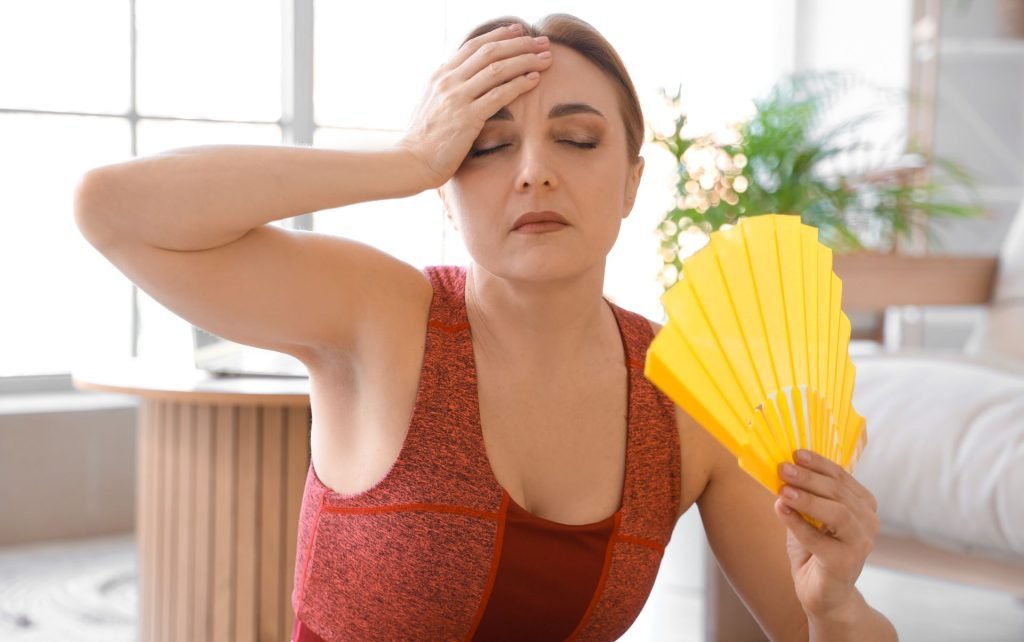
Menopause is something most women expect to face in their late 40s or early 50s. But what happens when menopause arrives decades earlier than anticipated? This is known as Early Menopause, and while it’s a reality for many women, it can feel overwhelming and isolating.
Let me walk you through what Early Menopause is, what to watch for, and how to manage this phase of life with confidence and resilience.
What Is Early Menopause?
Before diving into the specifics, let’s clarify what Early Menopause is. Menopause typically occurs around age 51, but for some women, it can happen much earlier.
Early Menopause refers to menopause that occurs before age 45, and when it happens before age 40, it’s called premature menopause. Regardless of the age, the experience can bring unique challenges, both physically and emotionally.
Early Menopause in Your 20s
Experiencing menopause in your 20s is rare, but it does happen. I can’t imagine how daunting it must feel to face this significant life change so early. There are several potential causes of Early Menopause in your 20s:
- Genetic predisposition: If your mother or grandmother experienced Menopause, you might be more likely to as well.
- Autoimmune disorders: Conditions like lupus or thyroid disease can lead to premature ovarian failure.
- Medical treatments: Chemotherapy, radiation, or surgical removal of ovaries can induce menopause.
- Lifestyle factors: Smoking, for instance, has been linked to earlier menopause.
The emotional and social challenges of Menopause in your 20s can’t be understated. It’s important to seek support and explore medical interventions to manage symptoms and safeguard your health.
Signs of Early Menopause at 35
For women in their mid-30s, signs of Menopause can sometimes be mistaken for other health issues. Knowing what to look for is crucial. Here are the most common symptoms:
- Irregular or missed periods: This is often the first sign.
- Hot flashes and night sweats: These sudden temperature changes can disrupt daily life and sleep.
- Vaginal dryness: This can lead to discomfort during intimacy and is a common symptom.
- Mood swings and depression: Hormonal shifts can significantly impact your emotional well-being.
- Difficulty concentrating: “Brain fog” can make it hard to focus or remember things.
- Decreased fertility: Ovulation becomes irregular or stops altogether.
If you notice these symptoms and suspect Menopause, don’t hesitate to consult a doctor. Early diagnosis can open doors to treatment options that make a significant difference.
Premature Ovarian Failure Symptoms
Premature ovarian failure (POF) is closely related to Early Menopause and involves the loss of ovarian function before age 40. Symptoms of POF overlap with those of menopause but may also include:
- Absent or irregular periods: This is a hallmark sign.
- Elevated FSH levels: High levels of follicle-stimulating hormone indicate reduced ovarian function.
- Low estrogen levels: Estrogen deficiency can lead to various symptoms, including bone loss.
- Bone thinning or osteopenia: Weak bones are a serious concern for women with POF.
- Reduced libido: Lower estrogen can impact sexual desire.
Diagnosing POF involves hormone testing, pelvic ultrasounds, and sometimes genetic screening. While POF has unique challenges, understanding the condition is the first step toward managing it effectively.
Risks Associated with Early Menopause
Early Menopause comes with specific risks that can impact your short- and long-term health:
Short-term Health Effects:
- Bone health: Low estrogen levels can lead to osteoporosis or fractures.
- Heart health: Women who experience Menopause are at higher risk for cardiovascular disease.
- Estrogen deficiency symptoms: Vaginal dryness, thinning skin, and urinary issues can arise.
Long-term Risks:
- Cognitive decline: Studies suggest a link between Early Menopause and an increased risk of Alzheimer’s disease.
- Emotional well-being: The psychological impact of Early Menopause can lead to depression or anxiety.
- Fertility challenges: Early Menopause can make family planning more complex.
Managing these risks often involves hormone replacement therapy (HRT) and lifestyle modifications. It’s crucial to discuss these options with a healthcare provider to create a personalized plan.
Benefits of Early Menopause
While Early Menopause presents challenges, it’s not without its silver linings. Here are some potential benefits:
- Reduced cancer risks: A shorter lifetime exposure to estrogen can lower the risk of breast and endometrial cancers.
- Freedom from periods: No more menstrual cycles means no more cramps, bloating, or period-related discomfort.
- Peace of mind: For some women, the end of reproductive concerns, like unintended pregnancy, can be a relief.
- Opportunity for new routines: Early Menopause can serve as a catalyst for adopting healthier lifestyle habits.
By focusing on these benefits, it’s possible to shift your perspective and embrace this life stage with a positive mindset.
Coping with Early Menopause
Navigating Menopause requires a holistic approach to manage both the physical and emotional aspects. Here’s what I’ve found helpful:
Emotional Coping Strategies:
- Support groups: Sharing your experience with others who understand can be incredibly comforting.
- Counseling: A therapist can help you process feelings of loss or anxiety.
- Open communication: Talk to your partner, family, or friends about what you’re going through.
Physical Health Management:
- Nutrition: Prioritize foods rich in calcium, vitamin D, and omega-3 fatty acids for bone and heart health.
- Exercise: Weight-bearing exercises help maintain bone density, and regular physical activity boosts mood and energy.
- Supplements: Calcium and vitamin D supplements can be essential for bone health.
Medical Treatments:
- Hormone replacement therapy (HRT): HRT can alleviate many symptoms of Early Menopause and reduce long-term risks.
- Alternative therapies: Herbal supplements, acupuncture, and mindfulness practices may provide additional relief.
When to Seek Medical Advice
If you suspect Early Menopause or experience concerning symptoms, it’s essential to seek medical advice. Here are some signs to watch for:
- Persistent irregular periods or missed cycles.
- Severe hot flashes or night sweats.
- Unexplained mood swings or memory issues.
- Bone pain or fractures.
During your appointment, ask questions about symptoms, treatment options, and long-term management. A healthcare provider can guide you toward the best strategies for your unique situation.
Stories and Support
One of the most inspiring parts of discussing Early Menopause is hearing stories from other women who have walked this path. Many have shared how they’ve found strength, resilience, and even joy despite the challenges. Online forums, support groups, and specialized clinics can be invaluable resources.
Conclusion
Early Menopause may not be the journey you expected, but with the right knowledge and support, it can be a manageable and even empowering experience.
By understanding the signs, addressing risks, and embracing the benefits, you can navigate this transition with confidence.
Remember, you’re not alone in this—reach out, ask for help, and share your story.
Together, we can redefine what it means to thrive during Early Menopause.