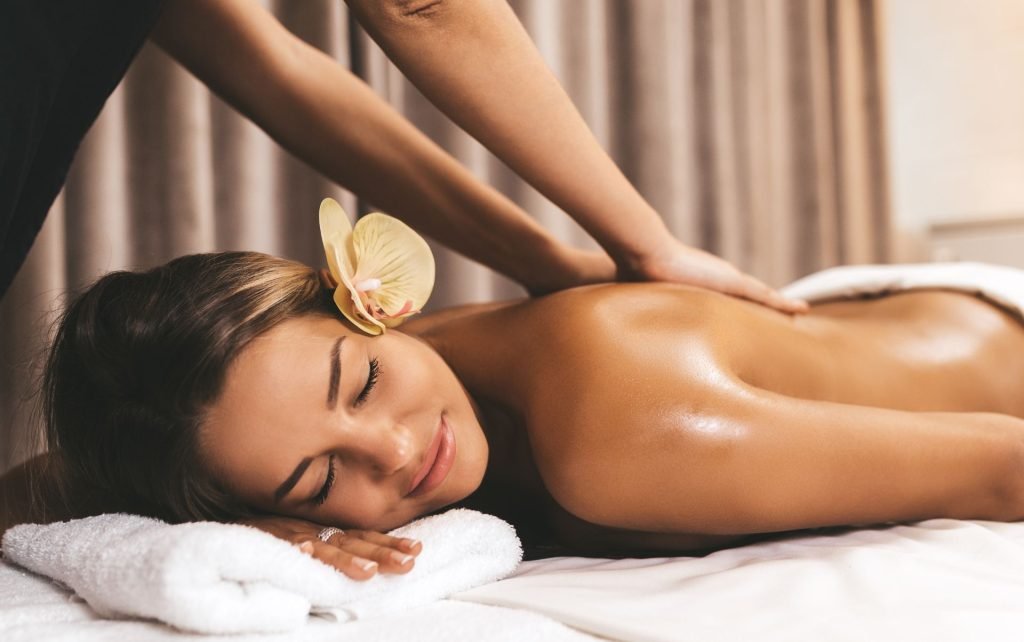
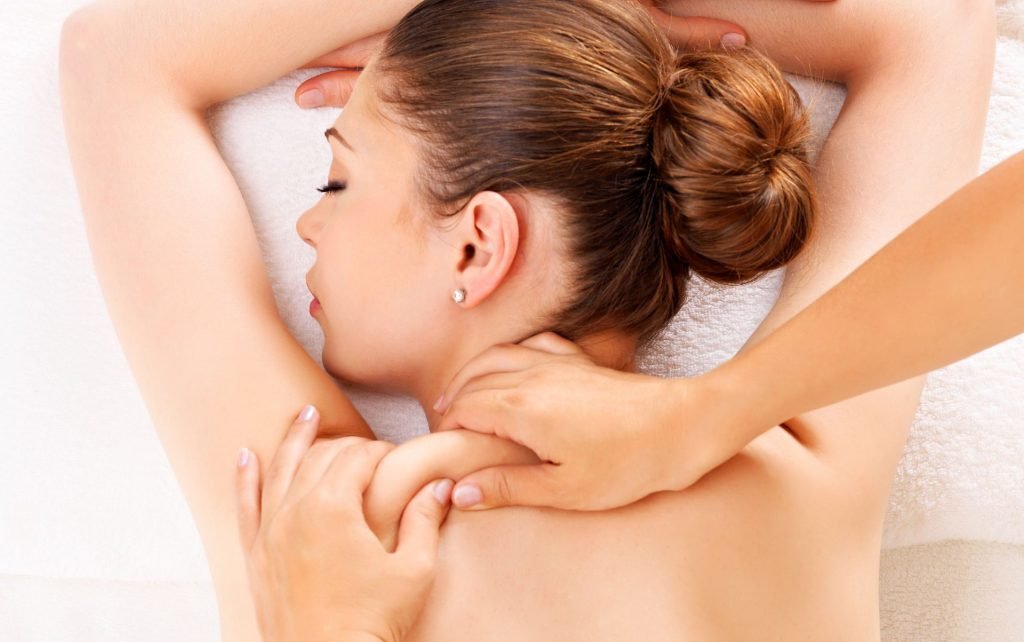
Massage therapy has been practiced for centuries and is a cornerstone of wellness and relaxation. With roots in ancient civilizations and modern-day recognition as a valuable health tool, it’s no wonder massage therapy is more popular than ever.
Whether you’re looking to relieve stress, ease chronic pain, or simply enjoy a bit of relaxation, massage therapy offers something for everyone.
This post dives into the various types of massage, the health benefits they offer, and tips for integrating this soothing practice into your wellness routine.
Understanding Massage Therapy
What Is Massage Therapy?
Massage therapy is the practice of manipulating soft tissues in the body, including muscles, tendons, and ligaments, to improve overall health and well-being.
By using a combination of techniques—such as pressing, rubbing, and kneading—massage therapists help reduce tension, improve circulation, and promote relaxation. Whether it’s a gentle Swedish massage or a targeted deep tissue session, massage therapy caters to diverse needs and preferences.
Brief History and Evolution
Massage therapy’s origins trace back thousands of years to ancient China, Egypt, and Greece. These cultures used massage as part of their medical practices, believing it to promote balance and healing.
Over time, massage evolved, integrating with various therapeutic traditions and becoming a respected element of modern healthcare and wellness.
Types of Massage Therapy
One of the great things about massage therapy is its versatility. Here’s a breakdown of some popular types:
Swedish Massage
Swedish massage is the most common and widely recognized form of massage therapy.
Known for its gentle, flowing strokes, it’s ideal for relaxation and stress relief. Techniques include long gliding strokes, kneading, and circular movements to ease tension and improve circulation.
Deep Tissue Massage
If you’re dealing with chronic pain or muscle tightness, deep tissue massage may be the solution.
This method focuses on deeper layers of muscle and connective tissue. Slow, deliberate strokes and firm pressure help release knots and reduce inflammation.
Sports Massage
Designed for athletes, sports massage combines stretching, deep tissue techniques, and range-of-motion exercises. It’s perfect for enhancing performance, preventing injuries, and speeding up recovery after intense physical activity.
Trigger Point Massage
Trigger point massage targets specific areas of tight muscle fibers that can cause pain elsewhere in the body.
By applying focused pressure, therapists release these “knots” to alleviate discomfort and restore mobility.
Prenatal Massage
Expectant mothers can benefit from prenatal massage, which is tailored to reduce stress and relieve pregnancy-related discomfort. Gentle pressure and careful positioning ensure safety and relaxation for both mother and baby.
Shiatsu Massage
Shiatsu, a Japanese massage modality, uses finger pressure to balance the body’s energy pathways. This rhythmic and meditative approach aims to harmonize physical and mental well-being.
Thai Massage
Combining acupressure, stretching, and assisted yoga postures, Thai massage enhances flexibility and energy flow. Often performed on a mat, it’s both invigorating and deeply therapeutic.
Reflexology
Reflexology focuses on specific points on the feet, hands, and ears that correspond to various body organs and systems. By stimulating these points, therapists promote overall health and balance.
Health Benefits of Massage Therapy
Massage therapy offers a wealth of physical and mental health benefits:
Physical Benefits
- Improved Circulation: Massage enhances blood flow, delivering oxygen and nutrients to tissues and aiding in waste removal.
- Muscle Relaxation: Regular sessions reduce muscle tension and stiffness, promoting flexibility and range of motion.
- Pain Relief: Massage therapy alleviates discomfort associated with conditions like arthritis, fibromyalgia, and sports injuries.
- Strengthened Immune Response: Some studies suggest that massage boosts the body’s natural defenses, helping you fend off illnesses.
Mental Health Benefits
- Stress Reduction: Lower cortisol levels and increased serotonin and dopamine contribute to a profound sense of relaxation.
- Anxiety and Depression Alleviation: Massage therapy can improve mood and reduce symptoms of anxiety and depression.
- Improved Sleep Quality: Regular massage promotes better sleep by calming the nervous system and relaxing the body.
- Enhanced Mental Clarity: Feeling more focused and alert is a common post-massage benefit.
Scientific Evidence Supporting Massage Therapy
Research Findings
Scientific studies back the benefits of massage therapy. Research highlights its effectiveness in reducing chronic pain, alleviating muscle tension, and improving mental health.
For example, a study published in the International Journal of Neuroscience found that massage therapy significantly reduced cortisol levels while boosting mood-enhancing neurotransmitters like serotonin.
Limitations and Considerations
While evidence supports many benefits, it’s essential to acknowledge individual variability. Some conditions may require additional research to establish definitive conclusions, and responses to massage therapy can differ from person to person.
Considerations Before Undergoing Massage Therapy
Before booking your first session, keep these factors in mind:
Medical Conditions and Contraindications
Massage therapy is generally safe but may not be suitable for everyone. Conditions like severe osteoporosis, deep vein thrombosis, or open wounds require caution. Always consult with your healthcare provider if you have underlying health issues.
Choosing a Qualified Massage Therapist
Finding the right therapist is key to a positive experience. Look for licensed professionals with proper training and credentials. Seek recommendations or read reviews to ensure you’re in capable hands.
Personal Preferences and Comfort
Discuss your preferences with your therapist before the session. Whether it’s the level of pressure, areas to avoid, or specific goals, open communication ensures a tailored and enjoyable experience.
Session Expectations
Understanding what to expect can ease any pre-session nerves. Typically, sessions last 30 to 90 minutes. You’ll be covered with a sheet or towel, with only the area being worked on exposed. Remember, it’s okay to speak up during the session if something feels uncomfortable.
Integrating Massage Therapy into a Wellness Routine
Frequency of Sessions
The ideal frequency depends on your goals. For general relaxation, monthly sessions may suffice. If you’re managing chronic pain or recovering from an injury, weekly or bi-weekly sessions might be more appropriate.
Combining with Other Therapies
Massage therapy pairs well with treatments like physical therapy, chiropractic care, and acupuncture. Together, these modalities create a comprehensive approach to health and healing.
Self-Care Practices
Between professional sessions, try self-massage techniques or relaxation exercises to maintain the benefits. Tools like foam rollers or massage balls can help target sore spots at home.
Common Myths and Misconceptions About Massage Therapy
Massage Is Only for Relaxation
While it’s true that massage therapy is incredibly relaxing, its therapeutic benefits go far beyond stress relief. From pain management to improved circulation, it’s a versatile tool for overall health.
All Massages Are Painful
Not all massages involve intense pressure. Techniques like Swedish massage prioritize gentle, soothing movements, making them ideal for relaxation and stress relief.
Massage Therapists Are Unqualified
Licensed massage therapists undergo rigorous training and certification to ensure they provide safe and effective treatments. Always choose a certified professional for your sessions.
Conclusion
Massage therapy is a powerful and versatile practice that offers numerous benefits for the body and mind. From soothing Swedish massages to targeted deep tissue work, there’s a style to suit everyone’s needs.
By incorporating regular sessions into your wellness routine, you can enjoy improved physical health, enhanced mental clarity, and a greater sense of overall well-being.
If you’ve never tried massage therapy before, consider giving it a go—your body and mind will thank you!
References
- Mayo Clinic Health System. “Benefits of Massage Therapy.” Mayo Clinic Health System.
- Healthline. “Types of Massage.” Healthline.