

What if I told you there was a mindset that could help you tackle challenges, learn from failures, and ultimately lead to a more fulfilling and happier life?
This is the power of a growth mindset. Developing a growth mindset for long-term happiness isn’t just about achieving success—it’s about embracing the process of growth, learning, and resilience.
Unlike a fixed mindset, which assumes our abilities and intelligence are static, a growth mindset empowers us to see possibilities, adapt to challenges, and find joy in our journey of self-improvement.
In this post, I’ll explore what it means to have a growth mindset, why it’s so crucial for happiness, and actionable strategies you can use to cultivate this perspective in your own life.
Let’s dive in and uncover how you can unlock the potential for long-term happiness by adopting a growth mindset.
Understanding the Growth Mindset
The term “growth mindset” was popularized by psychologist Carol Dweck, who discovered that individuals with this mindset believe their abilities and intelligence can develop through effort, learning, and persistence.
At its core, a growth mindset revolves around the idea that personal growth is possible, no matter where you start.
Characteristics of a Growth Mindset:
- Belief in the potential for self-improvement.
- Viewing challenges as opportunities for growth.
- Embracing feedback as a tool for learning.
- Persisting through setbacks.
In contrast, a fixed mindset assumes that abilities are innate and unchangeable. People with a fixed mindset may avoid challenges, fear failure, and rely on external validation rather than focusing on their own potential.
Understanding these distinctions was a game-changer for me. I realized that many of the barriers I faced were not external but rooted in my mindset. Learning to shift from a fixed mindset to a growth mindset has been a rewarding journey.
The Connection Between a Growth Mindset For Long-Term Happiness
Adopting a growth mindset doesn’t just help you succeed; it’s also a powerful tool for long-term happiness. Here’s why:
- Resilience in the Face of Challenges: When you view obstacles as opportunities, you’re less likely to feel defeated and more inclined to find solutions.
- Satisfaction in the Process: A growth mindset encourages you to find joy in learning and improving rather than focusing solely on outcomes.
- Positive Emotional Health: By reframing failures as feedback, you reduce stress and build emotional resilience.
For me, this connection became clear when I started applying growth mindset principles to personal challenges. Instead of feeling overwhelmed by setbacks, I began to see them as stepping stones. This shift not only improved my mental health but also helped me experience more gratitude and fulfillment.
Key Strategies to Develop a Growth Mindset
a. Embrace Challenges
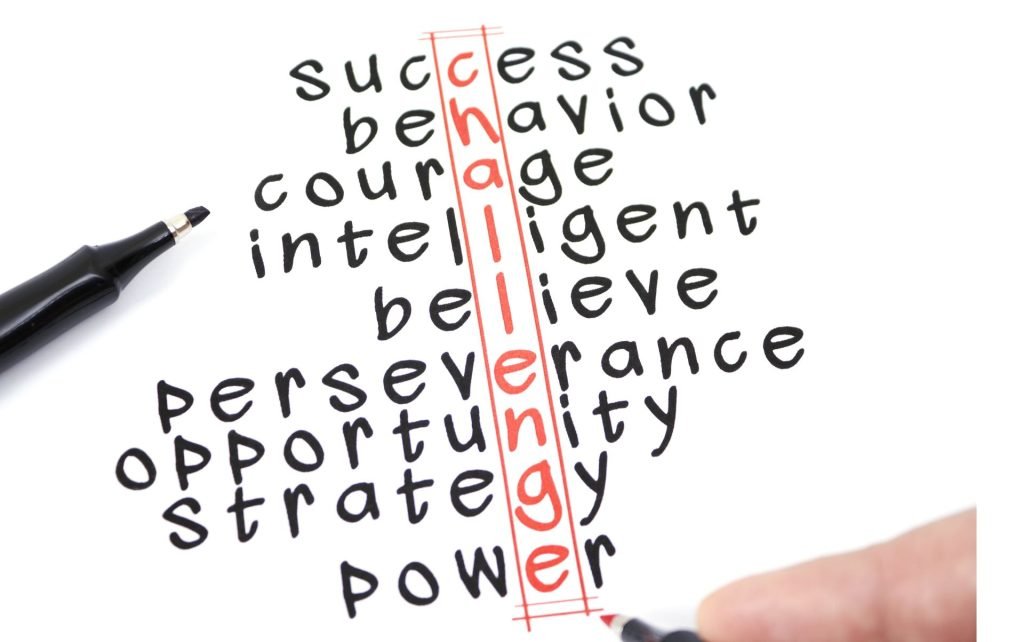
When I first started shifting toward a growth mindset, embracing challenges felt daunting. But over time, I realized that each challenge was an opportunity to grow.
- Reframe Challenges: Instead of seeing obstacles as roadblocks, view them as puzzles to solve.
- Take Small Steps: Start with manageable challenges to build confidence and resilience.
b. Learn from Failure
Failure used to feel like the end of the road for me. Now, I see it as a detour—an opportunity to learn and recalibrate.
- Analyze Failures: What went wrong? What can you do differently next time?
- Celebrate Effort: Recognize the courage it took to try, even if the outcome wasn’t perfect.
c. Cultivate Curiosity and a Love of Learning
Curiosity has been one of my greatest allies in developing a growth mindset. When you’re curious, the world becomes a playground for exploration.
- Ask Questions: Challenge assumptions and seek out new perspectives.
- Pursue Learning Opportunities: Read, take courses, or join discussion groups to expand your knowledge.
d. Practice Gratitude and Positive Thinking
Gratitude is a cornerstone of happiness, and it aligns beautifully with a growth mindset.
- Gratitude Journals: Write down three things you’re grateful for each day.
- Focus on Progress: Celebrate how far you’ve come rather than fixating on how far you have to go.
e. Surround Yourself with Growth-Oriented Individuals
The people around you can greatly influence your mindset. Surround yourself with those who encourage growth and celebrate effort.
- Find Supportive Communities: Join groups or networks that align with your goals.
- Seek Mentors: Learn from those who model a growth mindset.
Overcoming Barriers to a Growth Mindset
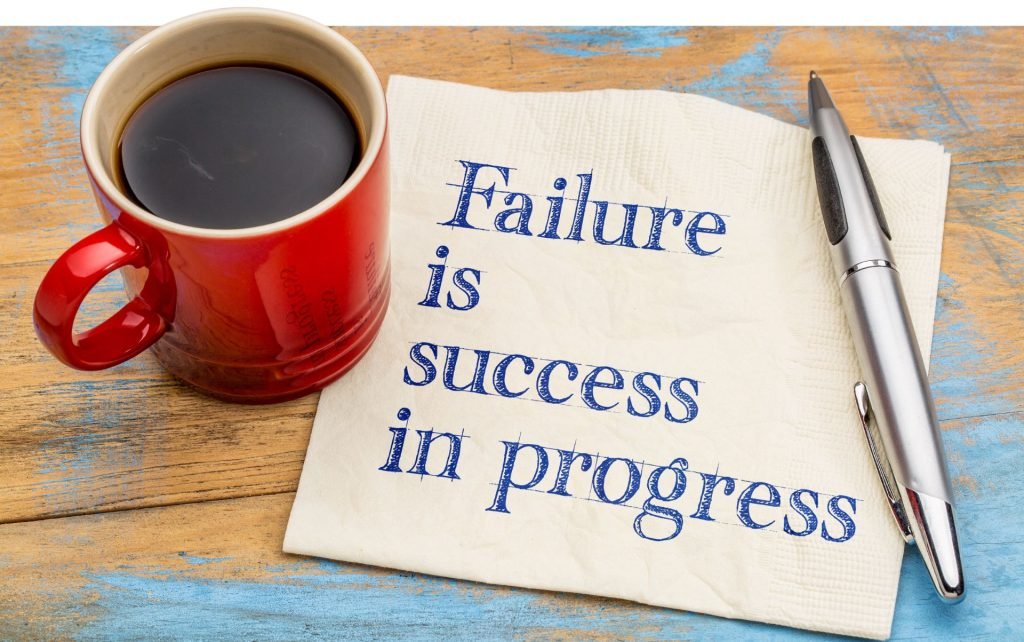
Developing a growth mindset isn’t always easy. Here are common challenges and how to overcome them:
- Fear of Failure:
- Reframe failure as feedback.
- Remind yourself that every expert was once a beginner.
- Imposter Syndrome:
- Focus on your progress rather than perfection.
- Acknowledge your achievements and effort.
- Fixed Mindset Influences:
- Challenge fixed mindset beliefs you’ve internalized.
- Surround yourself with positive influences.
Real-Life Examples of Growth Mindset in Action
Hearing how others have embraced a growth mindset can be incredibly inspiring. Here are a few examples:
- Thomas Edison: He famously reframed his many failed attempts at creating the light bulb as lessons that brought him closer to success.
- Serena Williams: Known for her relentless work ethic and ability to learn from losses, she exemplifies a growth mindset in sports.
Everyday examples also abound—like the teacher who adapts their methods to better support students or the entrepreneur who learns from business setbacks.
Practical Applications for Long-Term Happiness

Here are actionable steps to weave a growth mindset into your daily life:
- Morning Affirmations: Start your day with positive statements like, “I am capable of learning and improving.”
- Goal-Setting: Set realistic, growth-oriented goals that focus on progress rather than perfection.
- Reflection: Dedicate time each evening to reflect on what you’ve learned and how you’ve grown.
Conclusion
Cultivating a growth mindset for long-term happiness is a journey worth taking. By embracing challenges, learning from failures, and celebrating your progress, you can unlock a more fulfilling and resilient version of yourself.
Remember, it’s not about where you start—it’s about the steps you take along the way.
So, take that first step today. Reframe your challenges, welcome feedback, and find joy in the process of growth. Happiness isn’t a destination; it’s a mindset, and it starts with you.
References: