

Getting a good night’s sleep can feel like a luxury when life gets hectic. Tossing and turning, racing thoughts, or waking up at odd hours can take a toll on your physical and mental health. But what if there was a natural, effective way to calm your mind and set the stage for restful sleep?
That’s where meditation comes in. In this guide, I’ll share everything I’ve learned about how meditation helps you sleep better, so you can start waking up feeling refreshed and recharged.
Understanding Sleep Problems
Why Sleep Is Crucial

Sleep isn’t just about feeling rested. It’s essential for your body to repair itself, process emotions, and maintain cognitive sharpness.
When you don’t get enough sleep, fatigue, irritability, and reduced focus often follow. Over time, poor sleep can lead to serious health issues, including weakened immunity and increased stress levels.
Common Sleep Issues
Many of us struggle with sleep in one form or another. Insomnia—difficulty falling or staying asleep—is one of the most common complaints. Others experience frequent nighttime awakenings or wake up feeling unrefreshed, even after hours in bed. Understanding these challenges is the first step toward improvement.
What Is Meditation?
Definition of Meditation
Meditation is a practice that involves focusing the mind to achieve a state of calm and awareness. It can take many forms, including mindfulness, guided meditation, body scans, and breathing exercises. At its core, meditation helps you tune out distractions and center yourself, which is invaluable for sleep.
How Meditation Works
Meditation reduces stress by calming the nervous system, particularly by lowering cortisol levels. It encourages a state of relaxation that’s essential for falling asleep. By focusing on your breath or a soothing mantra, you can shift your mind away from daily worries and prepare for restful sleep.
How Meditation Helps You Sleep Better
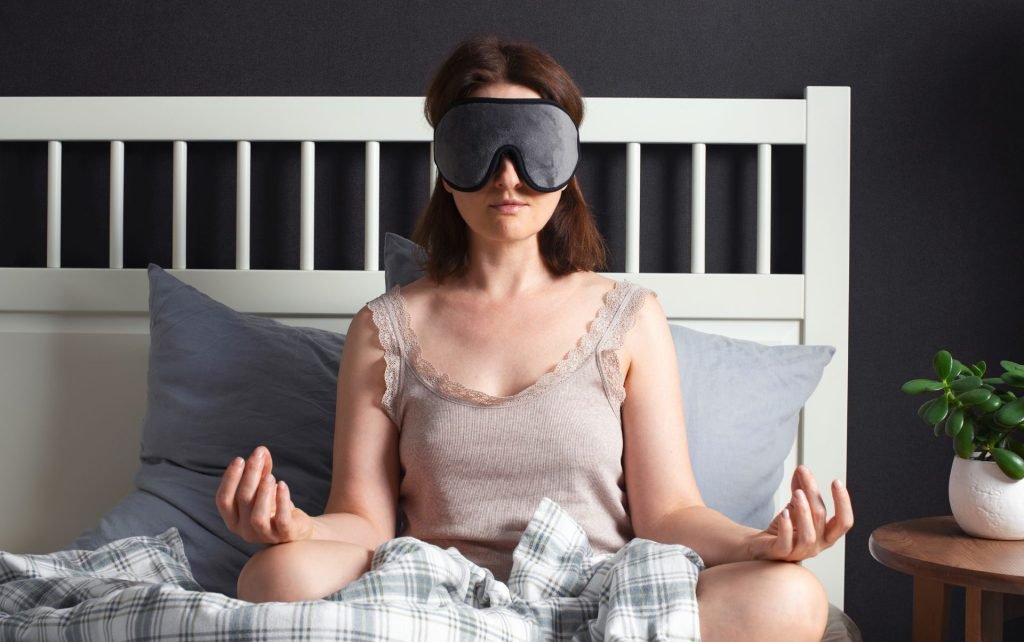
Reduces Stress and Anxiety
Stress and anxiety are major culprits of sleep disturbances. Meditation helps quiet the mind, reducing overthinking and the physiological responses tied to stress. This creates a mental environment conducive to sleep.
Promotes Relaxation
When you meditate, you activate the parasympathetic nervous system, also known as the rest-and-digest response. This slows your heart rate and breathing, signaling to your body that it’s time to unwind.
Improves Sleep Quality
By calming the mind and body, meditation helps you achieve deeper, more restorative sleep. It can also minimize nighttime awakenings, ensuring you stay asleep longer.
Benefits of Meditation for Sleep
Fall Asleep Faster
Meditation helps clear the mind of racing thoughts that often keep you awake. A consistent practice can create a sense of peace, making it easier to drift off quickly.
Stay Asleep Longer
For those who struggle with frequent awakenings, meditation can reduce the mental overactivity that disrupts sleep. This helps you maintain a deeper, uninterrupted slumber.
Enhances Sleep Quality
Better sleep quality means more time spent in restorative stages of sleep, such as deep and REM sleep. This leaves you feeling refreshed and energized the next day.
Types of Meditation for Better Sleep
Mindfulness Meditation
Mindfulness involves focusing on the present moment without judgment. By observing your thoughts and letting them pass without attachment, you can calm your mind and prepare for sleep.
Guided Meditation
Guided meditations, often available through apps like Calm or Headspace, use soothing voices and imagery to guide you into relaxation. These are especially helpful for beginners.
Body Scan Meditation
This technique involves focusing on different parts of your body, releasing tension as you go. It’s a simple but powerful way to relax physically and mentally.
Breathing Exercises
Breathing techniques like the 4-7-8 method (inhale for 4 seconds, hold for 7, exhale for 8) slow your heart rate and promote relaxation.
Loving-Kindness Meditation
This form of meditation focuses on cultivating compassion and gratitude. By reducing negative emotions, it helps you approach bedtime with a positive mindset.
Step-by-Step Guide to Meditating Before Sleep
Preparation
Create a calm, comfortable environment. Dim the lights, eliminate noise, and settle into a position that feels good, whether it’s lying down or sitting.
Choosing a Technique
Pick a meditation style that resonates with you. If you’re unsure, start with guided meditation or a simple breathing exercise.
Practicing Meditation
Begin with 5-10 minutes and gradually increase as you become more comfortable. The key is consistency—make it a nightly habit.
Dealing With Challenges
It’s normal for your mind to wander. Gently guide your focus back to your breath or mantra without judgment.
Incorporating Meditation Into a Bedtime Routine
Building a Routine
Combine meditation with other relaxing activities, like reading or taking a warm bath. Establish a consistent bedtime to signal to your body that it’s time to wind down.
Using Technology Wisely
Apps like Insight Timer or Calm can provide structured meditations and soothing background sounds. Just be sure to avoid bright screens close to bedtime.
The Science Behind How Meditation Helps You Sleep Better

Scientific Studies
Research shows that meditation improves sleep quality and reduces insomnia symptoms. One study found that mindfulness meditation significantly improved sleep patterns over just a few weeks.
Brain and Body Benefits
Meditation reduces activity in the default mode network, the part of the brain responsible for mind-wandering. It also lowers stress hormones, creating a physiological state ideal for sleep.
Common Misconceptions About Meditation for Sleep
Meditation Is Only for Experts
Anyone can meditate, regardless of experience level. Even beginners can benefit from short, simple sessions.
Meditation Takes Too Much Time
You don’t need to spend hours meditating. Just 5-10 minutes a night can make a noticeable difference.
You Need to Completely Clear Your Mind
Meditation isn’t about stopping thoughts altogether—it’s about learning to observe them without getting caught up.
Personal Stories and Testimonials
I’ve personally experienced how meditation helps you sleep better. By practicing mindfulness before bed, I’ve noticed fewer restless nights and deeper sleep. Others I’ve spoken to have shared similar success stories, highlighting how meditation transformed their relationship with sleep.
Tips for Success
Start Small
Begin with short sessions and build up gradually. Consistency is more important than duration.
Be Consistent
Make meditation a nightly habit. The more you practice, the more effective it becomes.
Stay Patient
Results may not be immediate, but over time, you’ll notice significant improvements in your sleep quality.
Explore Different Methods
Experiment with various techniques to find the one that works best for you.
Frequently Asked Questions
How long does it take for meditation to improve sleep? It varies, but many people notice changes within a few weeks of regular practice.
Can I meditate in bed? Yes! Lying down is a great way to meditate before sleep, as long as you remain comfortable.
What should I do if I fall asleep while meditating? That’s perfectly okay. It means you’re relaxed, which is the goal.
Do I need a meditation app to get started? Not at all. Apps can be helpful, but simple breathing exercises or mindfulness practices work just as well.
Conclusion
Meditation is a powerful tool for improving sleep. By reducing stress, promoting relaxation, and enhancing sleep quality, it helps you fall asleep faster, stay asleep longer, and wake up feeling refreshed.
If you’re looking for a natural, accessible way to sleep better, meditation is well worth trying. So, why not give it a shot tonight? You might be surprised at just how transformative it can be!
Sources: