
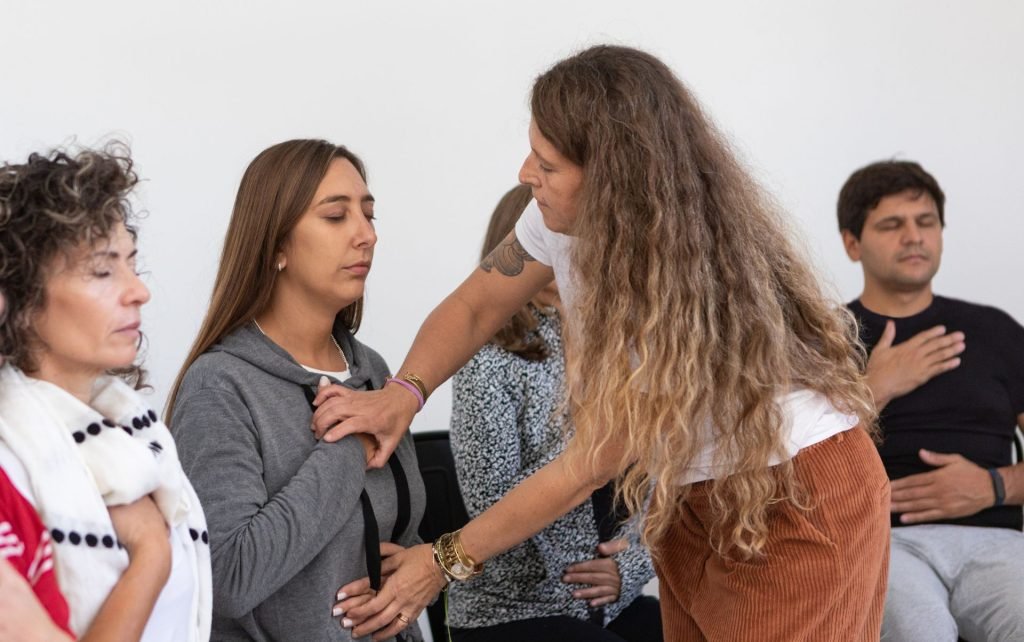
In a world that seems to move faster every day, more people are turning to mindfulness to find peace and balance. Mindfulness—the practice of being present and fully engaged in the moment without judgment—has proven benefits for mental, emotional, and even physical health.
Become a Mindfulness Teacher
If you’ve experienced the transformative power of mindfulness and want to share it with others, you might be wondering, “How can I teach mindfulness?” Well, you’re in the right place!
One of the perks of becoming a mindfulness teacher is the flexibility. You can work in various environments—from corporate boardrooms to yoga studios—or even create your own online courses.
In this post, I’ll walk you through how to become a mindfulness teacher, including the benefits, steps, and the value of online training and accreditation.
What Does a Mindfulness Teacher Do?
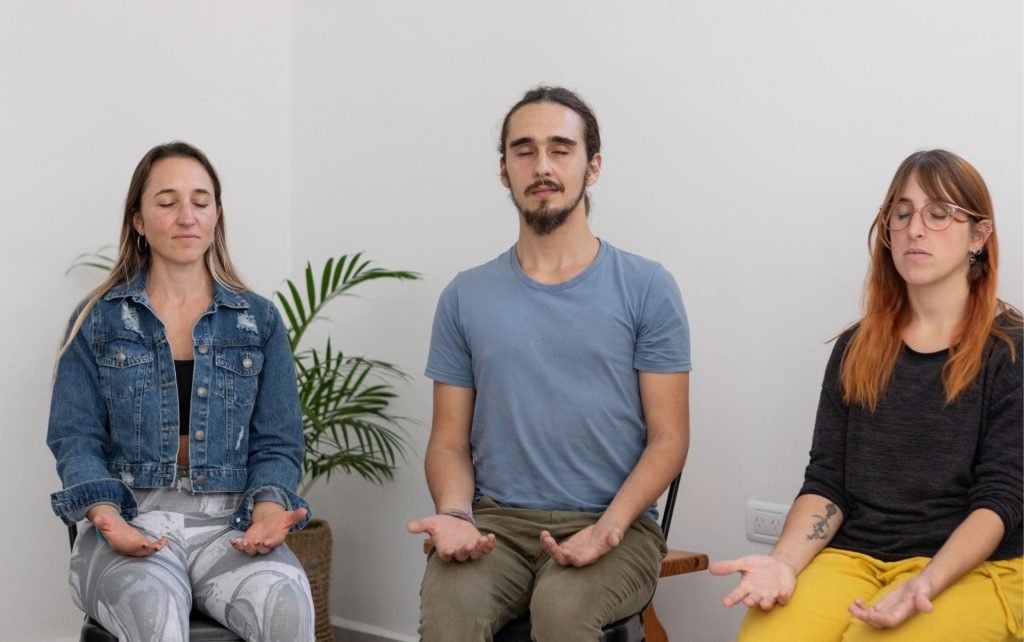
As a mindfulness teacher, your role is to guide others in cultivating mindfulness practices that enhance their lives.
This might involve leading meditation sessions, teaching mindful breathing techniques, or helping people integrate mindfulness into daily routines.
Mindfulness teachers work in various settings: schools, corporate offices, healthcare facilities, community centers, and even online platforms.
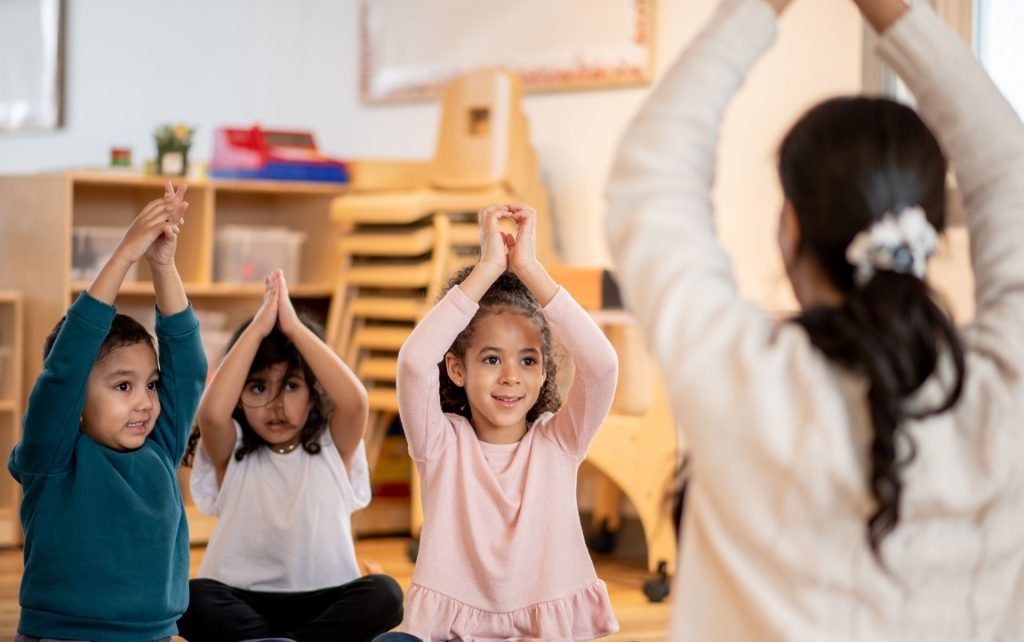
Whether you’re teaching a group of stressed-out professionals or introducing mindfulness to children, the goal remains the same: to help people connect with the present moment and reduce stress.
To excel in this field, you’ll need qualities like empathy, patience, and excellent communication skills. It’s also essential to have a solid personal mindfulness practice so you can lead by example.
Benefits of Becoming a Mindfulness Teacher
Becoming a mindfulness teacher isn’t just about helping others—it’s also incredibly rewarding on a personal level. Here are some of the key benefits:
- Personal Growth Teaching mindfulness deepens your own practice. You’ll find yourself more grounded, resilient, and connected to the present moment as you share these practices with others.
- Impactful Work There’s something profoundly fulfilling about helping others reduce stress, improve focus, and enhance their overall well-being. Mindfulness teaching allows you to make a real difference in people’s lives.
- Flexibility One of the perks of becoming a mindfulness teacher is the flexibility. You can work in various environments—from corporate boardrooms to yoga studios—or even create your own online courses.
- Growing Demand With rising awareness about mental health and wellness, the demand for mindfulness teachers continues to grow. This means there are plenty of opportunities to build a meaningful and sustainable career.
- Financial Rewards While the primary motivation might be to help others, teaching mindfulness can also be financially rewarding. You can earn income through workshops, one-on-one coaching, or online programs.
Steps to Becoming a Mindfulness Teacher
So, how do you go from mindfulness enthusiast to certified teacher? Here are the key steps to becoming a mindfulness teacher:
Step 1: Develop Your Own Mindfulness Practice
Before you can teach others, it’s important to have a strong personal practice. Start by meditating regularly, practicing mindful breathing, and incorporating mindfulness into your daily life.
The more you embody mindfulness, the more authentic and effective you’ll be as a teacher.
Step 2: Gain a Deep Understanding of Mindfulness
Take time to explore the roots of mindfulness, including its origins in Buddhist traditions and its modern adaptations.
Study the science behind mindfulness to understand its proven benefits, such as reducing anxiety, improving focus, and boosting emotional resilience.
This knowledge will not only enrich your practice but also give you credibility as a teacher.
Step 3: Choose a Teacher Training Program
When deciding how to become a mindfulness teacher, choosing the right training program is a crucial step. Look for programs that are:
- Accredited: Ensure the program is recognized by reputable organizations.
- Comprehensive: A good program should cover both the theory and practice of mindfulness.
- Flexible: If you have a busy schedule, online training can be a great option.
Step 4: Get Certified
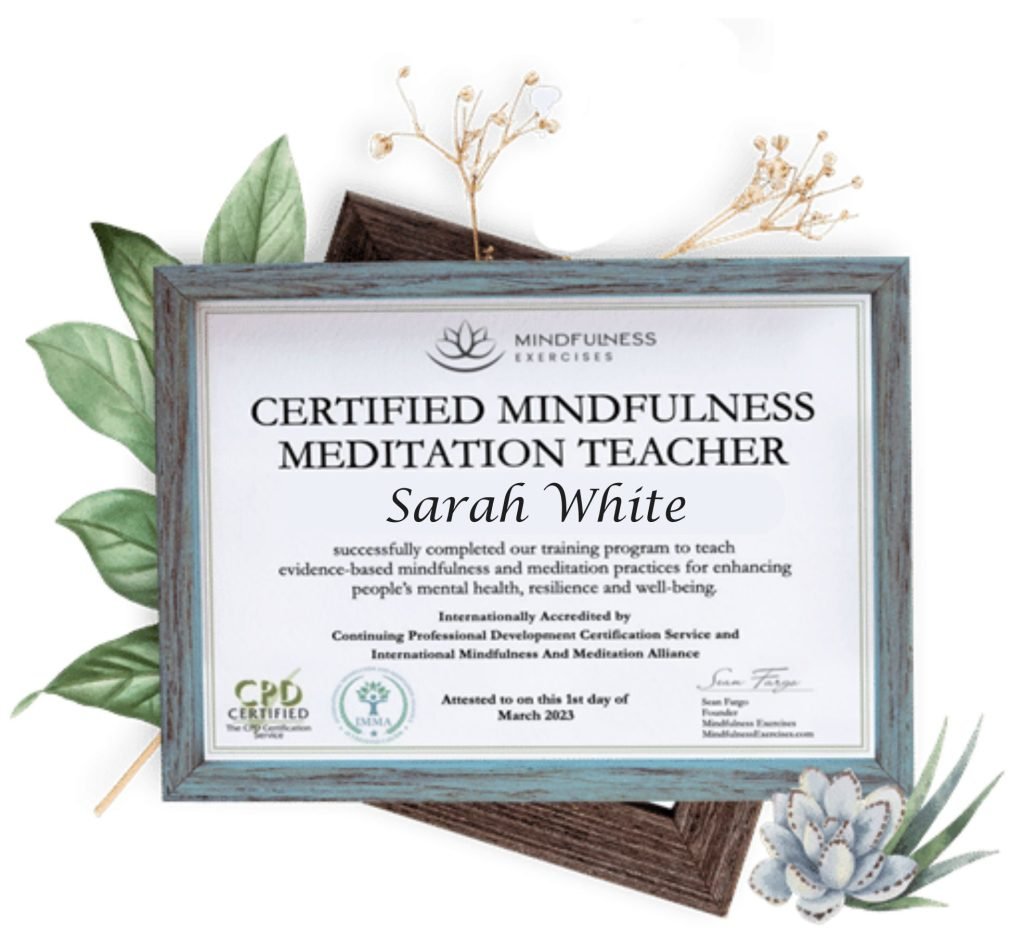
While certification isn’t always mandatory, it’s highly recommended. A certification not only boosts your confidence but also assures potential clients or employers that you’re qualified.
Some well-known certification programs include MindfulnessExercises.com and Levelhead.
Step 5: Practice and Share
Once you’re certified, start practicing your teaching skills. Begin with small groups of friends or family to build confidence. Over time, you can expand to larger groups, corporate clients, or online courses.
Remember, the key to success is consistency and authenticity.
Why Consider Online Training?
When exploring how to become a mindfulness teacher, you’ll quickly notice the rise of online training programs. Here are some reasons why online mindfulness teacher training is a fantastic option:
- Flexibility Online training allows you to learn at your own pace and on your own schedule. Whether you’re juggling a full-time job or family responsibilities, online programs make it easier to fit training into your life.
- Accessibility With online training, you can access world-renowned teachers and programs from anywhere in the world. No need to travel or relocate to attend a specific course.
- Cost-Effectiveness Online programs are often more affordable than in-person training. Plus, you save on travel and accommodation costs.
- Community Building Many online programs include interactive forums, live Q&A sessions, and group discussions. These features allow you to connect with like-minded individuals and build a supportive network.
- Blended Learning The best online programs offer a mix of recorded lectures, live sessions, and interactive assignments. This ensures you get a comprehensive learning experience.
Challenges to Overcome
While the journey to becoming a mindfulness teacher is rewarding, it’s not without challenges. Here are a few common obstacles and how to overcome them:
- Self-Doubt It’s normal to feel unsure about your ability to teach. Remember, everyone starts somewhere. Trust in your training and focus on your intention to help others.
- Balancing Responsibilities Many aspiring teachers juggle mindfulness training with work, family, or other commitments. Prioritize your time and remember that progress, not perfection, is key.
- Finding Your Niche The mindfulness field is growing, which means competition can be stiff. Find your unique voice or niche, whether it’s teaching mindfulness to children, working professionals, or individuals dealing with stress.
Conclusion
Becoming a mindfulness teacher is an incredibly fulfilling journey. Not only do you get to deepen your own practice, but you also have the opportunity to make a meaningful impact on others’ lives.

By following the steps outlined above—from developing your practice to getting certified—you can confidently embark on this rewarding career.
If you’re ready to take the next step, I encourage you to explore mindfulness teacher training programs and start building the skills you need to share the gift of mindfulness with the world.
Whether you choose in-person or online training, the journey of learning how to become a mindfulness teacher is one of growth, connection, and purpose.
So, what are you waiting for?
Start your journey today and discover the joy of helping others live more mindful, present lives.