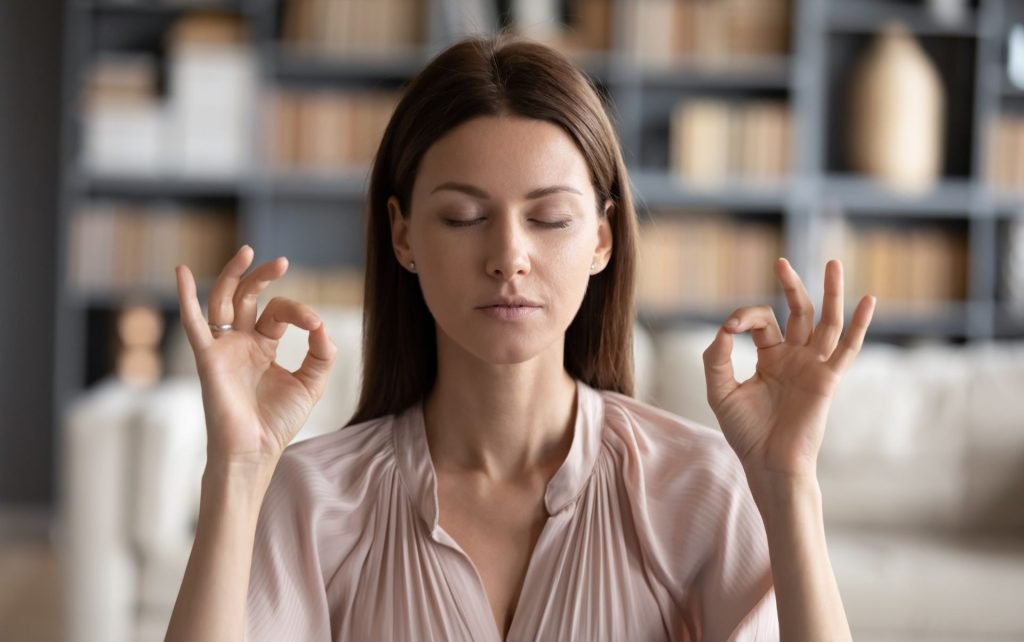
Have you ever found yourself scrolling through social media or binge-watching a series just to escape your thoughts? Trust me, you’re not alone. Life has a way of throwing so much at us that we often forget to pause and just breathe.
That’s where meditation and mindfulness come in—a simple yet transformative practice that can help you find balance and clarity amidst the chaos.
Meditation Techniques And Mindfulness:
When I first heard about meditation, I thought, “Sitting quietly for 10 minutes? I can’t even sit through a meeting without checking my phone.” But as I started exploring different meditation techniques, I realized that mindfulness isn’t about shutting your brain off—it’s about tuning in.
So, let’s explore how meditation and mindfulness can improve your mental health and how you can easily incorporate these practices into your life.
What Is Meditation and Mindfulness?
Defining Meditation
At its core, meditation is about training your mind to focus and redirect your thoughts. It’s like a gym session for your brain—except you don’t need a membership or fancy equipment. From reducing stress to boosting emotional resilience, meditation offers a treasure trove of benefits that are backed by science.
What Is Mindfulness?
Mindfulness is the art of being present—fully aware of what you’re doing and how you’re feeling in the moment. It’s about soaking in life’s little joys, like the first sip of coffee in the morning or the sound of rain tapping on your window.
The Connection Between Meditation and Mental Health
When you combine meditation and mindfulness, you create a powerful tool for improving mental health. Studies show that these practices can reduce anxiety, lower cortisol levels, and even improve symptoms of depression. Think of it as a spa day for your mind, minus the hefty price tag.
The Benefits of Meditation and Mindfulness
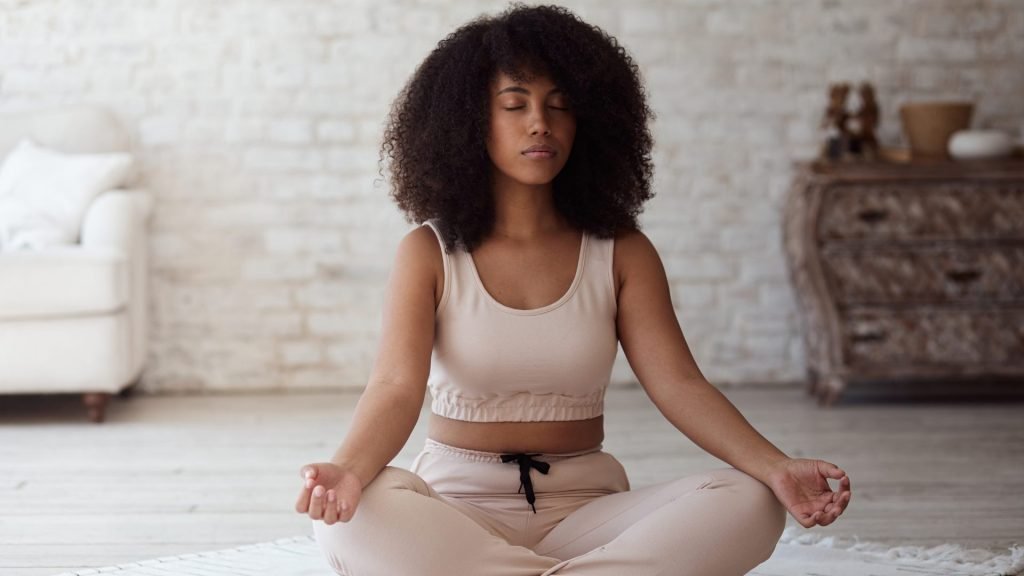
Mental Health Benefits
- Stress Reduction: Meditation teaches you to respond to stress rather than react, giving you a sense of control over life’s curveballs.
- Improved Focus: Mindfulness trains your brain to concentrate, making it easier to tackle tasks without getting distracted.
- Emotional Resilience: Regular meditation helps you bounce back from setbacks with a calmer, more balanced perspective.
Physical Health Benefits
- Better Sleep: Meditation can help you drift off faster and improve the quality of your rest.
- Pain Management: Techniques like body scanning can alleviate chronic pain by shifting your focus away from discomfort.
Holistic Wellness Benefits
When you practice meditation and mindfulness, you’re not just improving your mental health—you’re nurturing your whole self. From enhancing relationships to fostering creativity, the ripple effects of mindfulness touch every aspect of life.
Meditation Techniques for Mindfulness
1. Focused Breathing
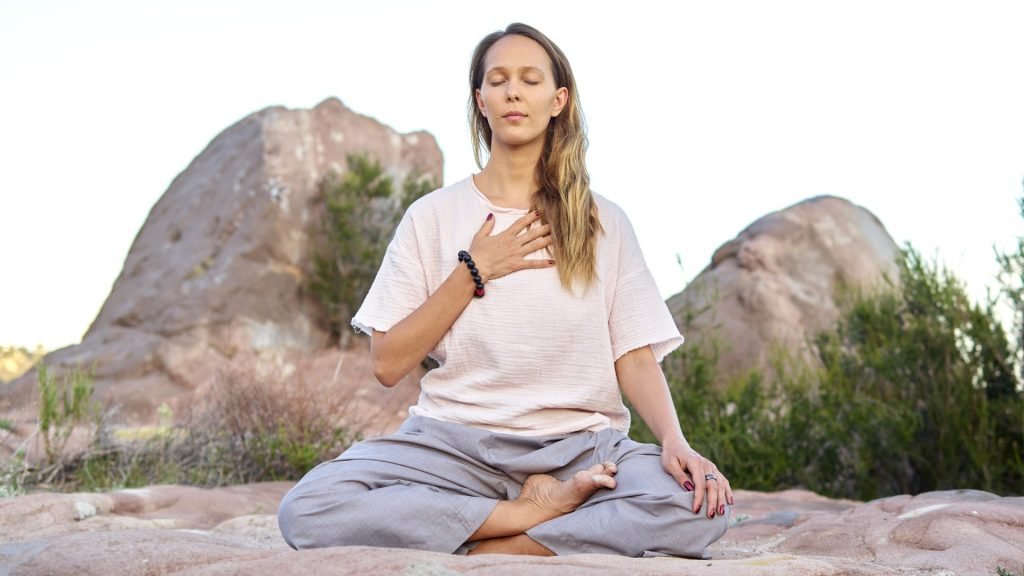
This is one of the simplest meditation techniques to start with. Find a quiet spot, sit comfortably, and focus on your breath. Breathe in deeply through your nose, hold for a few seconds, and exhale slowly.
The beauty of this practice is its versatility—you can do it anywhere, whether you’re stuck in traffic or waiting in line for coffee. It’s like hitting the reset button on your brain.
2. Body Scan Meditation
Feeling tense? A body scan meditation helps you identify and release physical stress. Start at the top of your head and slowly move your attention down to your toes, noticing any areas of tension along the way.
The first time I tried this, I realized I’d been clenching my jaw for hours. Now, it’s my go-to when I need to unwind after a long day.
3. Loving-Kindness Meditation
This technique is all about spreading good vibes—to yourself and others. Start by silently repeating phrases like, “May I be happy, may I be healthy,” then extend those wishes to loved ones, acquaintances, and even people you find challenging.
Not only does this practice cultivate compassion, but it’s also a gentle reminder that everyone is doing their best—including you.
4. Mindful Walking
If sitting still isn’t your thing, mindful walking might be your perfect match. Focus on each step you take, the feel of your feet against the ground, and the rhythm of your movement.
This practice is especially calming in nature. There’s something incredibly grounding about hearing leaves crunch underfoot or feeling the sun on your face.
5. Guided Visualization
Imagine a serene beach, a peaceful forest, or any place that brings you joy. Guided visualization allows you to mentally transport yourself to a relaxing space, even if you’re physically stuck in rush-hour traffic.
Apps and online videos make it easy to get started, and trust me, it’s like a mini-vacation for your mind.
How to Incorporate Meditation and Mindfulness Into Daily Life
Start Small
Don’t feel like you need to dive into hour-long sessions right away. Begin with just five minutes a day and gradually build up as you get more comfortable.
Create a Dedicated Space
Having a quiet, clutter-free corner for your practice can make a big difference. Add a comfy cushion, a candle, or a favorite object to make it inviting.
Use Technology Wisely
Apps like Calm, Headspace, and Insight Timer offer guided meditations for every mood and goal. They’re like having a mindfulness coach in your pocket.
Overcoming Challenges in Meditation
“I Don’t Have Time to Meditate”
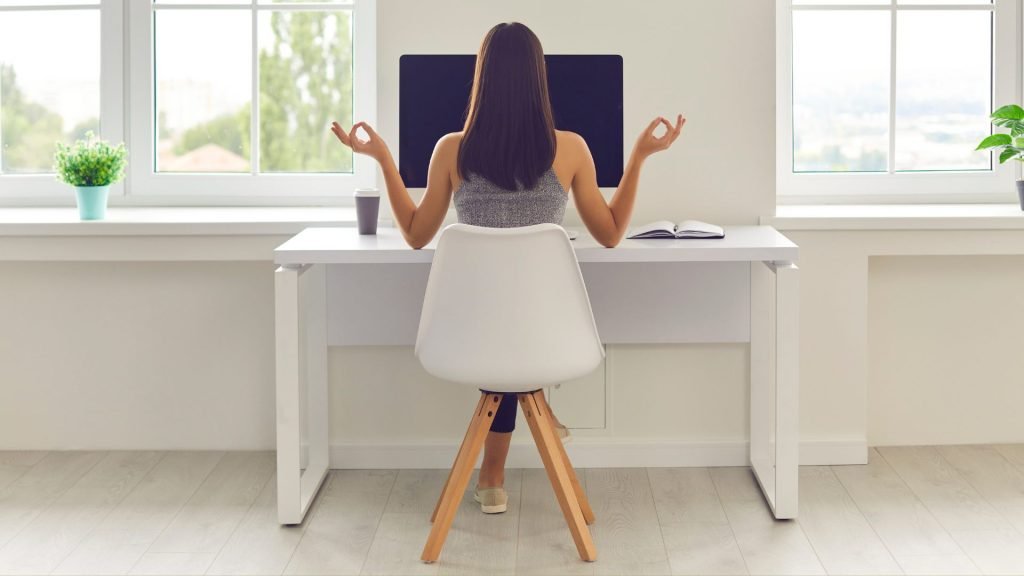
Life is busy, but you can always find a few spare moments. Try meditating during your commute (as long as you’re not driving!) or before bed.
Difficulty Staying Focused
Wandering thoughts are normal—it’s part of the process. The key is to gently bring your focus back to your breath or the present moment without judgment.
Unrealistic Expectations
Meditation isn’t about achieving a state of Zen right away. It’s about showing up consistently and letting the benefits unfold naturally over time.
Meditation and Mental Health: Real-Life Applications
Managing Stress
Whether it’s work deadlines or family drama, meditation equips you with tools to handle stress more effectively.
Coping With Anxiety
Regular meditation can help quiet the racing thoughts associated with anxiety, creating space for clarity and calm.
Building Resilience
By practicing meditation and mindfulness, you learn to navigate challenges with grace and maintain emotional balance, even in tough times.
The Science Behind Meditation and Mindfulness
How It Affects the Brain
Meditation has been shown to increase gray matter in areas of the brain linked to focus, emotional regulation, and memory. It’s like a workout for your mind, but without the sweat.
Studies on Mental Health
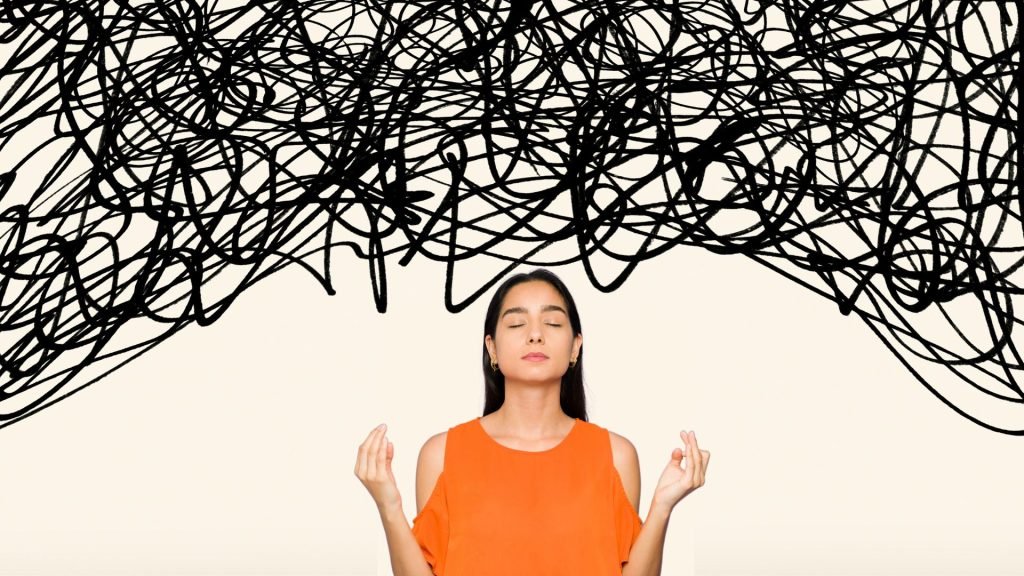
Research consistently shows that meditation can reduce symptoms of anxiety and depression, making it a valuable tool for anyone looking to improve their mental health.
Conclusion
Meditation isn’t a quick fix, but it’s a powerful practice that can transform your relationship with yourself and the world around you. By incorporating meditation techniques into your routine, you’re not just improving your mental health—you’re creating a foundation for a more balanced, mindful life.
So, why not give it a try? Start small, be consistent, and most importantly, be kind to yourself. After all, the journey to better mental health starts with a single breath.