
Imagine starting your day bathed in sunlight, feeling energized, uplifted, and ready to conquer challenges. Natural light has a remarkable way of impacting our mood, alertness, and overall well-being.
Discover why “Natural Light Boosts Mood and Alertness” and how you can make the most of it.
It’s not just about the aesthetics of a bright room; it’s about how this essential element of nature enhances our mental and physical health. From regulating our sleep cycles to improving productivity, natural light is a game-changer.
In this post, I’ll delve into the science and practical benefits of natural lighting. Together, we’ll uncover the secrets of maximizing sunlight in our daily lives and explore its transformative effects on our minds and bodies.
Understanding Natural Light and Its Impact
What Is Natural Light?

Natural light refers to sunlight, the most vital source of illumination for our planet. It’s the natural spectrum of light that supports life, influences our biological rhythms, and nourishes our mental health. As World GBC explains, incorporating natural light indoors not only benefits our mood but also aligns with sustainable living practices.
Natural Lighting Benefits
The benefits of natural lighting are undeniable. Here are just a few ways it enhances our lives:
- Improves Mood and Reduces Stress: Sunlight increases serotonin levels, which play a key role in happiness and emotional stability.
- Enhances Focus and Alertness: Exposure to natural light during the day improves concentration and reduces fatigue.
- Supports Better Sleep: It regulates our circadian rhythm, helping us sleep more soundly at night.
The Science Behind Natural Light
Sunlight impacts the brain by influencing the production of serotonin, a hormone that stabilizes mood, and melatonin, which regulates sleep. According to Dusk Lights, natural light can significantly enhance mental clarity and energy levels, making it a cornerstone of a productive day.
Natural Lighting Benefits for Mental Health
Reducing Anxiety and Depression
Natural light exposure has been shown to reduce symptoms of anxiety and depression. By spending time in well-lit spaces, you can counteract the effects of seasonal affective disorder (SAD) and improve your emotional resilience.
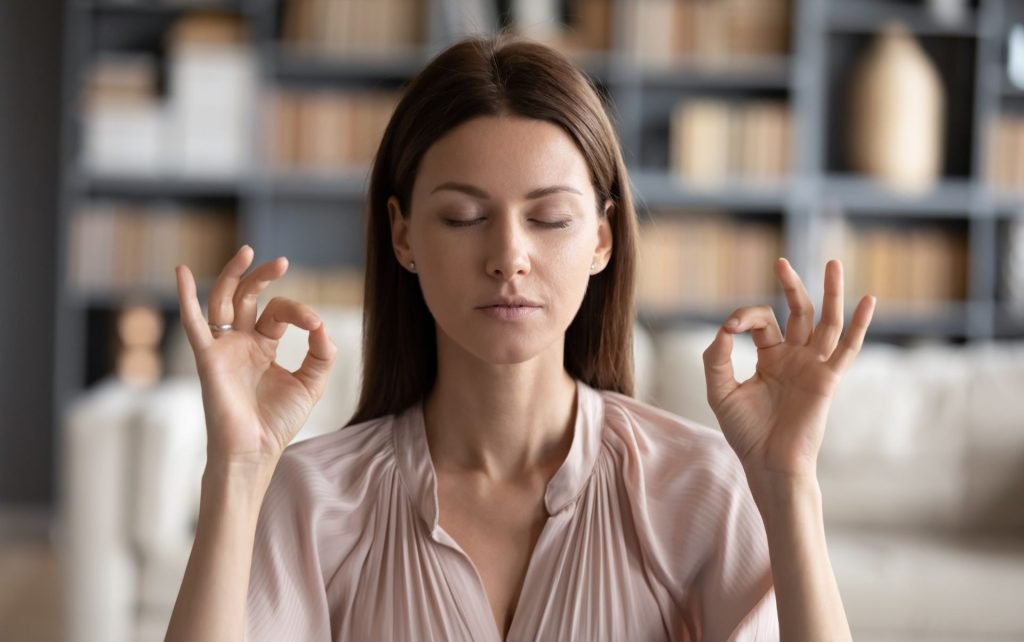
Combining natural light with practices like meditation amplifies the meditation effects on the brain, offering a dual approach to mental well-being.
Boosting Mood

Sunlight stimulates the production of endorphins, the body’s natural feel-good chemicals. Spending time in sunny spaces can leave you feeling more positive, energized, and ready to tackle the day.
Supporting Cognitive Function
Natural light not only boosts mood but also sharpens focus, creativity, and decision-making skills. Whether you’re working on a complex project or simply trying to stay productive, sunlight can be your ally.
Maximizing Natural Lighting in Daily Life
Optimizing Home and Workspaces

Creating spaces that embrace sunlight is easier than you might think. Start by:
- Rearranging furniture to face windows.
- Keeping windows clean and unobstructed.
- Using mirrors and reflective surfaces to amplify light.
Creating a Daily Routine
Building habits that incorporate natural light is key to reaping its benefits. Consider:
- Spending time outside in the morning to kickstart your circadian rhythm.
- Combining sunlight exposure with meditation to enhance its meditation effects on the brain.
Using Artificial Light to Mimic Natural Light
When natural light isn’t accessible, turn to light therapy lamps or warm LED lighting. These can mimic the qualities of sunlight and help maintain your energy and focus.
Natural Light and Physical Health Benefits
Boosting Vitamin D Levels
Vitamin D, often called the “sunshine vitamin,” is crucial for bone health and immune function. Regular exposure to sunlight is one of the simplest ways to maintain healthy levels.
Improving Sleep Quality
Natural light exposure during the day helps regulate your sleep-wake cycle. This ensures better quality sleep and more restful nights.
Reducing Eye Strain
Balanced natural light minimizes the need for harsh artificial lighting, reducing eye strain and fatigue, especially for those who spend long hours reading or working on screens.
Case Studies and Real-Life Examples
Transformative Stories
Take Sarah, a remote worker who struggled with low energy and mood swings. By reorganizing her home office to maximize natural light, she noticed a dramatic improvement in her productivity and emotional well-being.
Workplace Success
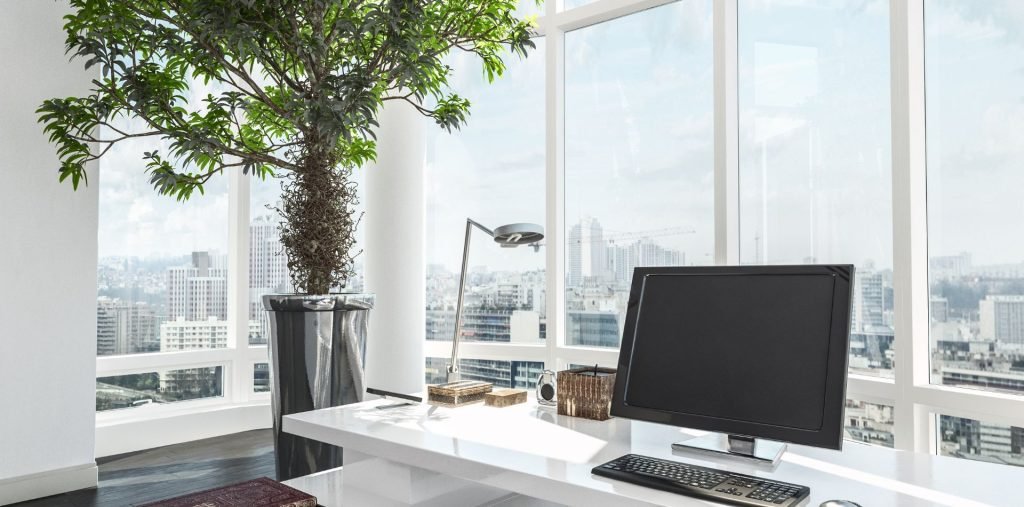
Several companies have embraced the power of natural light to enhance employee satisfaction and performance. As World GBC notes, workplaces that prioritize sunlight see higher engagement and reduced absenteeism.
Overcoming Challenges in Accessing Natural Light
Limited Sunlight in Certain Regions
For those in areas with seasonal light limitations, light therapy lamps and strategic use of bright interiors can fill the gap.
Urban Living Constraints
City dwellers can still enjoy natural lighting benefits by:
- Choosing light-colored interiors to reflect sunlight.
- Spending time in parks or open spaces during the day.
Balancing Light Exposure
While natural light is essential, overexposure to UV rays can be harmful. Use protective measures like sunscreen and limit direct sunlight during peak hours.
Conclusion
Natural light is more than just a source of illumination—it’s a powerful tool for enhancing mood, alertness, and overall well-being. By understanding the natural lighting benefits and making small adjustments to your environment and routine, you can transform your mental and physical health.
So, whether it’s rearranging your workspace or stepping outside for a morning walk, embrace the ways “Natural Light Boosts Mood and Alertness.”
Share your experiences and let the sunshine in!