Life can often feel like an overwhelming balancing act. Between work, family, and everything in between, tension builds up—both mentally and physically. I’ve been there, feeling the weight of the day in my shoulders, jaw, and even my sleep.
That’s when I discovered progressive muscle relaxation (PMR), a simple yet transformative technique that helps you release tension and find peace in minutes.
PMR is a practical, accessible tool that anyone can use to achieve relaxation and manage stress. By focusing on individual muscle groups, tensing, and then releasing them, you create a sense of calm that carries through your entire body.
Whether you’re new to relaxation techniques or looking to enhance your wellness routine, this guide will provide everything you need to start your journey.
Welcome to Progressive Muscle Relaxation: Your Guide to Instant Calm and Physical Ease.
What Is Progressive Muscle Relaxation?
The Basics of Progressive Muscle Relaxation
Progressive muscle relaxation, or PMR, is a technique that systematically tenses and relaxes different muscle groups to reduce stress and promote relaxation. The idea is simple: by creating contrast between tension and relaxation, you teach your body to recognize and release stress.
How Progressive Muscle Relaxation Works
According to Verywell Mind, PMR works by targeting the autonomic nervous system. By practicing PMR, you activate the parasympathetic nervous system, which helps counteract the “fight-or-flight” response and induces a state of relaxation. This physical shift benefits both the mind and body, fostering a sense of calm.
History and Applications
PMR was developed in the 1930s by Dr. Edmund Jacobson, who believed that physical tension was closely linked to mental stress. Over the years, it’s been used to manage anxiety, improve sleep, and even alleviate physical symptoms like headaches and muscle pain.
Its simplicity and effectiveness make it a go-to technique for relaxation.
The Benefits of Progressive Muscle Relaxation
Stress Reduction and Relaxation
One of the most immediate benefits of PMR is stress relief. By focusing on individual muscle groups, you’re able to release tension that often goes unnoticed. Anxiety Canada emphasizes PMR’s ability to create a calm, centered state of mind by addressing the physical manifestations of stress.
Enhanced Sleep Quality
If you’ve ever struggled to fall asleep because your mind won’t quiet down, PMR can help. This technique not only relaxes your body but also redirects your mind’s focus, preparing you for restful, uninterrupted sleep.
Improved Emotional Regulation
By practicing PMR regularly, you build emotional resilience. When faced with stressful situations, you’ll find it easier to pause, breathe, and respond with clarity rather than react impulsively.
Physical Health Benefits
PMR isn’t just for mental health. It’s an effective tool for managing physical ailments like tension headaches, chronic pain, and even high blood pressure. Relaxing your muscles can alleviate physical discomfort and improve overall well-being.
Enhanced Focus and Productivity
When your body is free from tension, your mind is better equipped to concentrate. PMR can enhance your ability to stay present, tackle tasks, and make decisions with greater ease.
How to Practice Progressive Muscle Relaxation
Preparing for PMR
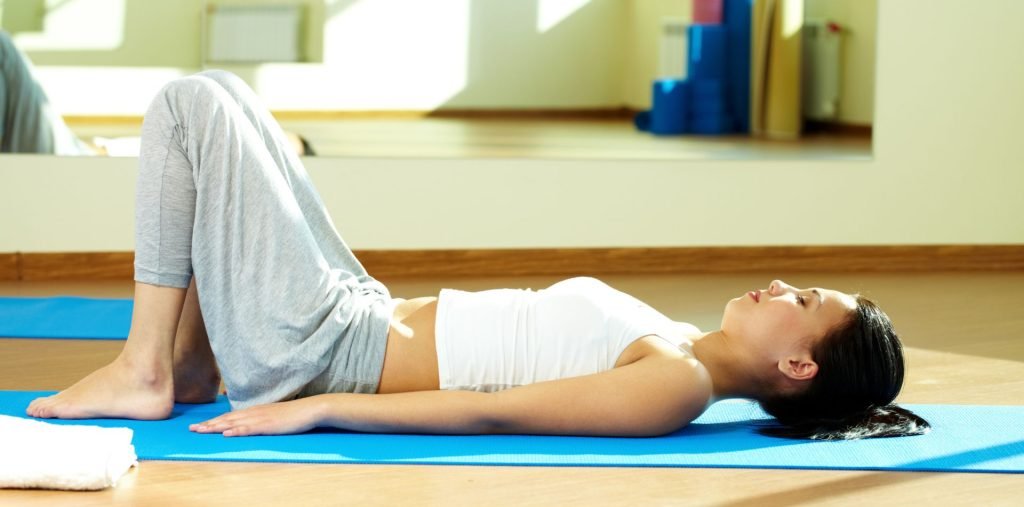
The beauty of PMR is that you don’t need fancy equipment or a special setting to get started. Find a quiet space where you can relax without interruptions. Wear comfortable clothing and decide whether you’d like to sit or lie down. The key is to be as comfortable as possible.
Step-by-Step Guide to Progressive Muscle Relaxation
Here’s a simple guide to get you started:
- Begin with Deep Breathing: Take a few slow, deep breaths to center yourself and prepare for relaxation.
- Start with Your Feet: Tense the muscles in your feet, holding the tension for about 5 seconds. Then, release and focus on the sensation of relaxation for 10 seconds.
- Work Your Way Up: Move to your calves, thighs, abdomen, arms, shoulders, neck, and finally your face. For each muscle group, repeat the process of tensing and relaxing.
- Focus on Sensations: Pay close attention to the contrast between tension and relaxation. This awareness enhances the calming effect.
Tips for Beginners
If you’re new to PMR, start small. Focus on just a few muscle groups at first and gradually build your practice. Using a guided recording or app can help you stay on track and learn the rhythm of PMR.
Common Challenges and How to Overcome Them
It’s normal to encounter distractions or find certain muscle groups harder to relax. Be patient with yourself and remember that consistent practice will make the process feel more natural over time.
Incorporating PMR Into Your Routine
Daily Practices for Maximum Benefit
PMR can fit seamlessly into your day. Use it as a morning ritual to start your day with calmness, a midday break to recharge, or a bedtime routine to wind down.
Combining PMR with Other Relaxation Techniques
PMR pairs beautifully with yoga, meditation, or mindfulness exercises. For example, you can begin a meditation session with PMR to relax your body before focusing on your breath or thoughts.
Practical Applications
PMR is especially helpful during high-pressure situations, such as before a presentation or during a stressful commute. Having this tool at your disposal can make challenging moments more manageable.
Success Stories and Scientific Backing
Real-Life Experiences
Many individuals have shared how PMR has improved their quality of life. One friend of mine uses PMR to calm pre-exam nerves, while another finds it invaluable for managing chronic pain.
Research and Evidence
Scientific studies support PMR’s effectiveness. Research has shown that it reduces stress, lowers blood pressure, and even improves symptoms of anxiety disorders. Its benefits are both evidence-based and widely recognized.
Progressive Muscle Relaxation v Autogenic Training
Progressive Muscle Relaxation (PMR) and Autogenic Training (AT) are both relaxation techniques that focus on reducing stress and enhancing overall well-being by fostering a connection between the mind and body.
While PMR involves systematically tensing and releasing muscle groups, and AT uses self-suggestions to evoke sensations of warmth and heaviness, both methods aim to activate the body’s relaxation response.
They share the goal of helping individuals become more aware of physical tension and mental stress, promoting a state of calm and mindfulness. Both practices are evidence-based and widely used to manage anxiety, improve sleep, and support emotional
Conclusion
Progressive muscle relaxation is a powerful yet simple technique that offers countless benefits for both the mind and body. By dedicating just a few minutes each day, you can transform how you manage stress, improve sleep, and enhance your overall well-being.
Whether you’re new to relaxation techniques or looking to deepen your practice, PMR is a valuable addition to your wellness toolkit. Start your journey today with Progressive Muscle Relaxation: Your Guide to Instant Calm and Physical Ease, and discover the calm you deserve.