

Bloating is something I’ve dealt with countless times, and I know how frustrating it can be. It’s that uncomfortable, tight feeling in your stomach that can make you feel sluggish and self-conscious.
Over time, I’ve learned several strategies for how to reduce bloating, and I’m excited to share them with you. Whether it’s a one-off issue or a persistent problem, there are steps you can take to feel lighter and more comfortable in your body.
What Is Bloating?
Let’s start by breaking down what bloating really is. Bloating is a common digestive issue that often leaves you feeling full, tight, or swollen in the abdomen.
Sometimes, it’s accompanied by symptoms like gas, burping, or mild abdominal pain. It’s not just about how you feel; bloating can also physically make your stomach look larger than usual.
Bloating happens for various reasons, including excess gas in your digestive tract, eating too much, or even hormonal changes. Recognizing the symptoms and causes of bloating is the first step in tackling it effectively.
Dietary Factors Contributing to Bloating
When I started exploring ways to reduce bloating, I realized that what we eat plays a significant role. Certain foods and eating habits can make bloating worse. Here are some common culprits:
High-FODMAP Foods
FODMAPs—short for fermentable oligosaccharides, disaccharides, monosaccharides, and polyols—are compounds found in certain foods that can cause bloating. Foods like onions, garlic, beans, and some fruits contain FODMAPs. I’ve found that keeping a food diary helps identify which high-FODMAP foods trigger bloating for me.
Carbonated Beverages
Sodas and sparkling water might seem refreshing, but the carbonation introduces extra gas into your digestive system. Cutting back on fizzy drinks made a noticeable difference for me.
Processed and Fatty Foods
Processed foods are often high in salt, sugar, or unhealthy fats, which can slow digestion and cause bloating. Opting for fresh, whole foods has been a game-changer in my journey to reduce bloating.
Artificial Sweeteners

Sugar substitutes like sorbitol and xylitol can be hard for the digestive system to break down. I try to avoid these in gum, candies, and diet foods to keep bloating at bay.
Lifestyle Habits That Influence Bloating
Your daily habits can also contribute to bloating. Simple changes can make a big difference.
Eating Habits
Chewing food thoroughly and eating slowly can significantly reduce bloating. I used to eat quickly, which caused me to swallow air—a big bloating trigger. Eating smaller, more frequent meals also helps prevent that overstuffed feeling.
Physical Activity
Regular exercise is essential for maintaining healthy digestion. Even a short walk after meals can stimulate your digestive tract and reduce bloating. Yoga poses like child’s pose and twists have been particularly helpful for me.
Stress and Digestion
Stress doesn’t just affect your mind; it also impacts your gut. High stress levels can disrupt digestion, leading to bloating. Incorporating stress-relief techniques like meditation or deep breathing into my routine has been incredibly beneficial.
Medical Conditions Associated with Bloating
Sometimes, bloating isn’t just about what you eat or how you live. Certain medical conditions can make bloating a persistent issue.
Irritable Bowel Syndrome (IBS)
IBS is a common disorder that affects the large intestine, often causing bloating, gas, and abdominal discomfort. Managing IBS-related bloating typically involves dietary adjustments and stress management techniques.
Food Intolerances and Allergies
I discovered I was lactose intolerant, which explained a lot of my bloating issues. Identifying and avoiding trigger foods like dairy or gluten can make a significant difference. If you suspect a food intolerance, an elimination diet can help pinpoint the problem.
Small Intestinal Bacterial Overgrowth (SIBO)
SIBO occurs when there’s an overgrowth of bacteria in the small intestine, leading to symptoms like bloating and diarrhea. If you suspect SIBO, consult a healthcare provider for diagnosis and treatment options.
Effective Strategies to Reduce Bloating

Now that we’ve covered the causes, let’s dive into actionable strategies to reduce bloating. These have worked wonders for me, and I’m confident they can help you too.
Dietary Modifications
- Low-FODMAP Diet: Following a low-FODMAP diet helped me identify and eliminate foods that were causing bloating.
- Anti-Bloating Foods: Ginger, peppermint, and foods rich in probiotics, like yogurt, can help soothe the digestive system. I often drink peppermint tea after meals to aid digestion.
- Hydration: Drinking plenty of water helps your digestive system work efficiently and prevents constipation, a common cause of bloating.
Lifestyle Changes
- Regular Meal Times: Eating meals at consistent times helps regulate digestion. I’ve found that skipping meals or eating erratically often worsens bloating.
- Post-Meal Walks: A 10-15 minute walk after meals can do wonders for digestion and help reduce bloating.
- Mindful Eating: Paying attention to what and how you eat can prevent overeating and reduce the risk of swallowing air.
Over-the-Counter Remedies
- Simethicone-Based Products: These can help reduce gas bubbles in your digestive system. I keep some on hand for particularly gassy days.
- Herbal Teas: Chamomile and fennel teas are my go-to remedies for soothing bloating.
- Laxatives: If bloating is due to constipation, occasional use of laxatives can help. However, it’s important not to overuse them.
When to Seek Medical Advice
While bloating is often harmless, there are times when it’s important to consult a healthcare professional.
Persistent or Severe Symptoms
If your bloating doesn’t improve with lifestyle changes or is accompanied by other symptoms like severe pain, it’s time to see a doctor. Persistent bloating could indicate an underlying condition that needs treatment.
Associated Red Flags
Be mindful of symptoms like unexplained weight loss, severe abdominal pain, or blood in your stool. These warrant immediate medical attention to rule out serious conditions like gastrointestinal disorders or cancer.
Preventative Measures for Long-Term Relief
The best way to reduce bloating is to prevent it in the first place. Here are some habits that have worked for me:
Balanced Diet
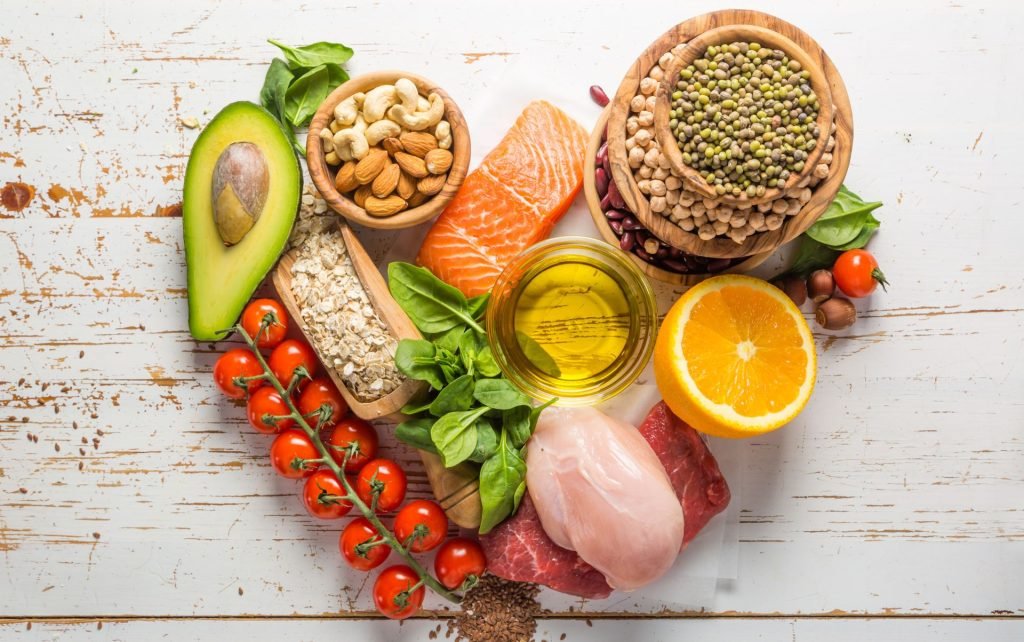
A diet rich in fiber can improve digestion, but it’s important to increase fiber gradually to avoid gas. Limiting high-FODMAP foods and processed snacks can also help.
Regular Physical Activity
Incorporating regular exercise into your routine keeps your digestive system running smoothly. Activities like walking, yoga, and swimming are gentle yet effective.
Routine Health Check-ups
Regular medical check-ups can catch potential issues early, ensuring that your digestive health stays on track.
Conclusion
Dealing with bloating can be frustrating, but with the right strategies, you can take control of your digestive health. By making dietary adjustments, adopting healthier lifestyle habits, and addressing any underlying medical conditions, you can significantly reduce bloating and feel more comfortable in your body. Remember, it’s okay to seek help if your symptoms persist. Your journey to a bloat-free life starts with small, consistent changes that make a big difference.
If you’ve struggled with bloating, I hope these tips resonate with you. Let me know which strategies work for you—we’re all in this together!
References
- NHS. “Bloating.” NHS.
- Cleveland Clinic. “Bloated Stomach: Causes, Tips to Reduce & When to be Concerned.” Cleveland Clinic