

When I first heard about the FODMAP Diet, I’ll admit I was a bit overwhelmed.
The name itself—an acronym for fermentable oligosaccharides, disaccharides, monosaccharides, and polyols—sounded like something out of a science textbook.
But as I dug deeper, I realized how beneficial this diet could be for managing digestive issues, especially for those struggling with conditions like Irritable Bowel Syndrome (IBS).
In this post, I’ll break down everything you need to know about the FODMAP Diet, from its principles to its practical applications, so you can decide if it’s the right choice for you.
What Are FODMAPs?
To understand the FODMAP Diet, we first need to unpack what FODMAPs are. They are specific types of short-chain carbohydrates that are poorly absorbed in the small intestine.
Here’s a quick breakdown:
- Fermentable: These sugars are fermented by bacteria in the gut, leading to gas production.
- Oligosaccharides: Found in foods like wheat, rye, legumes, onions, and garlic.
- Disaccharides: Lactose is the primary example, found in milk, yogurt, and soft cheeses.
- Monosaccharides: Fructose, present in fruits like apples and mangoes as well as honey.
- Polyols: Sugar alcohols such as sorbitol and mannitol, found in some fruits, vegetables, and artificial sweeteners.
When these compounds aren’t properly absorbed, they pull water into the gut and are fermented by bacteria, causing symptoms like bloating, gas, and diarrhea.
For people with sensitive digestive systems, following the FODMAP Diet can significantly reduce these issues.
The Low FODMAP Diet Explained
The FODMAP Diet isn’t about eliminating all FODMAPs forever. Instead, it’s a structured approach to identify and manage food triggers. The diet has three phases:
1. Elimination Phase
During this phase, you avoid all high-FODMAP foods for 2 to 6 weeks. The goal is to alleviate symptoms and give your digestive system a break. When I tried this, I found it helpful to plan meals in advance to ensure I stayed on track.
2. Reintroduction Phase
Once your symptoms have subsided, you begin reintroducing high-FODMAP foods one at a time. This helps identify which specific FODMAPs cause issues for you. I kept a detailed food diary during this phase, noting my symptoms after each reintroduction.
3. Personalization Phase
This final phase involves creating a long-term, balanced diet tailored to your unique sensitivities. By the end of this process, I knew exactly which foods to avoid and which I could enjoy without worry.
High and Low FODMAP Foods
Understanding which foods are high or low in FODMAPs is crucial for success on this diet. Here are some examples:
High-FODMAP Foods to Avoid
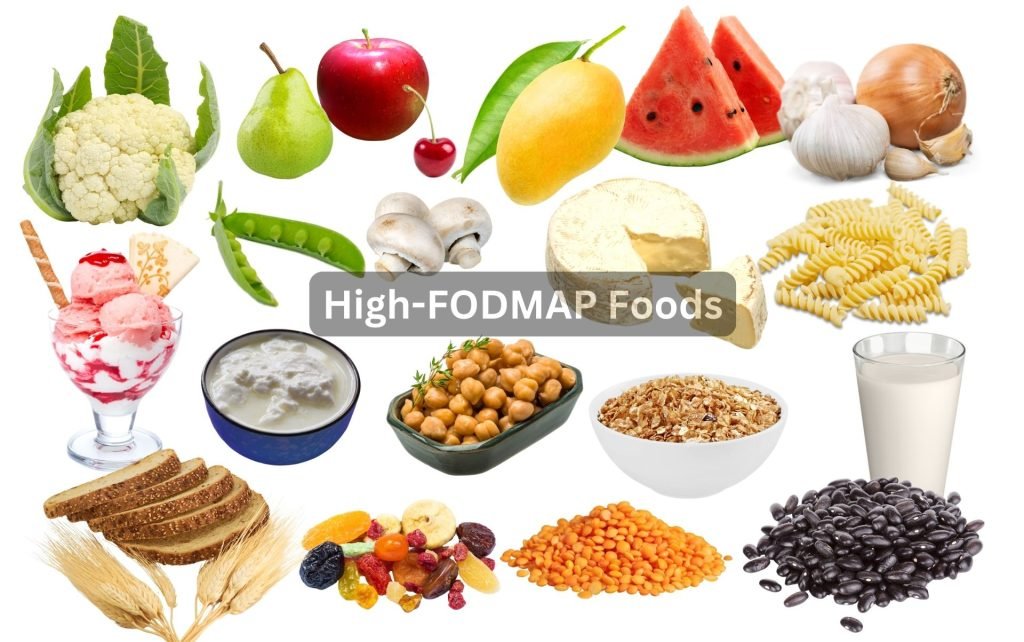
- Fruits: Apples, pears, mangoes, cherries, watermelon, dried fruits.
- Vegetables: Onions, garlic, cauliflower, mushrooms, snow peas.
- Grains: Wheat-based bread, pasta, cereals.
- Dairy: Milk, yogurt, soft cheeses, ice cream.
- Legumes: Lentils, chickpeas, black beans.
Low-FODMAP Alternatives
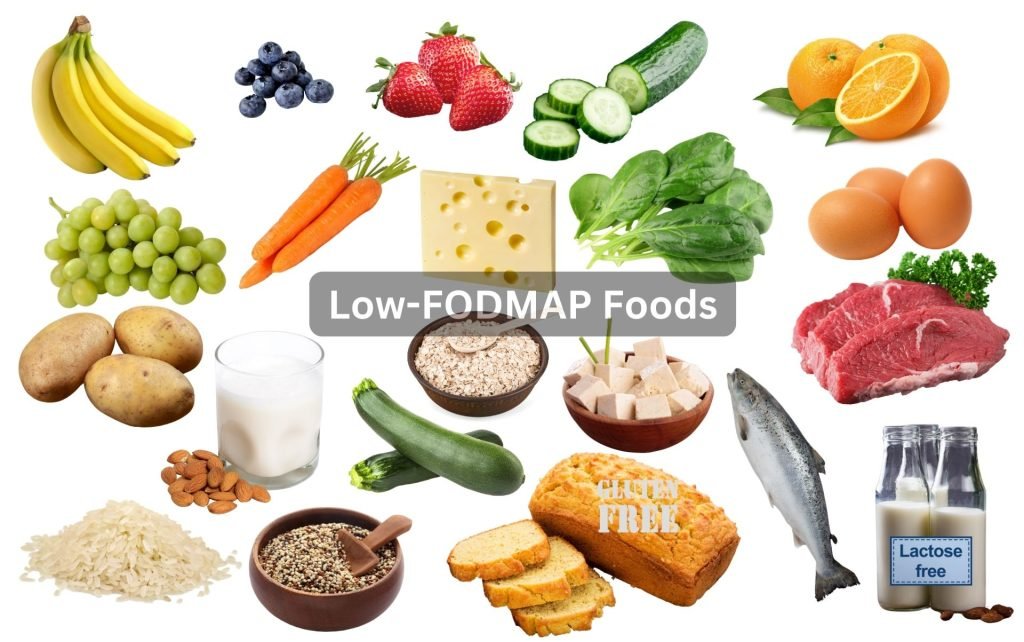
- Fruits: Bananas, blueberries, strawberries, oranges, grapes.
- Vegetables: Carrots, spinach, zucchini, potatoes, cucumbers.
- Grains: Rice, quinoa, oats, gluten-free bread.
- Dairy: Lactose-free milk, hard cheeses, almond milk.
- Proteins: Eggs, tofu, most meats and fish.
Having a comprehensive list of high- and low-FODMAP foods made meal planning so much easier for me. I also used the Monash University FODMAP Diet App, which is an invaluable tool for identifying foods and their FODMAP content.
Benefits of the FODMAP Diet
One of the most rewarding aspects of following the FODMAP Diet is the relief it brings to digestive symptoms. Here are some of the benefits I’ve experienced and observed:
Symptom Relief
The FODMAP Diet significantly reduces symptoms like bloating, gas, and abdominal pain. Within the first few weeks of the elimination phase, I felt lighter and more comfortable.
Improved Quality of Life
Living with IBS or similar conditions can be debilitating. The FODMAP Diet restored my confidence in social settings where food was involved. No more worrying about sudden discomfort or needing to find a bathroom.
Personalized Nutrition
By identifying my specific triggers, I now have a diet that works for me without unnecessary restrictions. It’s incredibly empowering to know exactly what my body can handle.
Challenges and Considerations
While the FODMAP Diet has many benefits, it’s not without its challenges. Here are some things to keep in mind:
Nutritional Adequacy
The elimination phase can be restrictive, which may lead to nutrient deficiencies if not carefully managed. I worked with a dietitian to ensure I was getting enough fiber, calcium, and other essential nutrients.
Complexity
The diet requires careful planning and monitoring, especially during the elimination and reintroduction phases. Reading food labels became second nature to me, but it was a learning curve at first.
Need for Professional Support
I can’t stress enough the importance of consulting with a healthcare provider or dietitian. They provided me with guidance and tools to navigate the diet effectively while ensuring it met my nutritional needs.
Practical Tips for Implementing the FODMAP Diet
If you’re considering the FODMAP Diet, these tips can help make the process smoother:
Meal Planning
Planning meals ahead of time was a lifesaver for me. I stocked up on low-FODMAP staples and prepped meals in batches to avoid the temptation of high-FODMAP convenience foods.
Reading Food Labels
Many packaged foods contain hidden high-FODMAP ingredients. Learning to identify these was crucial for staying on track.
Dining Out
Eating out can be tricky, but it’s not impossible. I researched menus in advance and wasn’t shy about asking restaurant staff about ingredients and preparation methods.
Keeping a Food Diary
Tracking what I ate and how I felt helped me identify patterns and understand my body’s responses to different foods.
Recent Research and Developments
The FODMAP Diet continues to evolve as researchers study its effects and applications. Here are some recent findings:
Efficacy Studies
Studies show that the FODMAP Diet is highly effective for managing IBS symptoms, with up to 75% of participants reporting significant improvements.
Digital Tools
Apps like the Monash University FODMAP Diet App make it easier than ever to follow the diet accurately. These tools provide up-to-date food lists and portion guidelines.
Expanding Applications
Research is exploring the potential benefits of the FODMAP Diet for conditions beyond IBS, such as inflammatory bowel disease (IBD) and functional dyspepsia.
Conclusion
The FODMAP Diet is a powerful tool for managing digestive issues, but it’s not a one-size-fits-all solution. By following the structured phases, consulting with professionals, and utilizing practical tips, you can discover what works best for your body. While the journey can be challenging, the relief and confidence it brings make it worthwhile. If you’re struggling with digestive symptoms, I encourage you to give the FODMAP Diet a try—your gut will thank you.
Reference:
- Monash University. “High and Low FODMAP Foods.” Monash FODMAP.