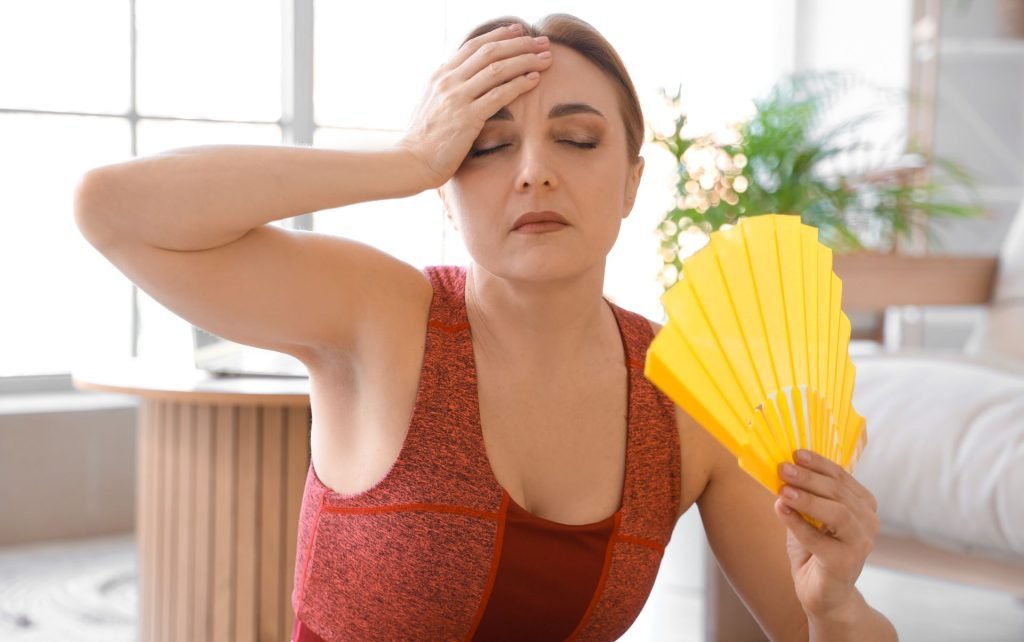
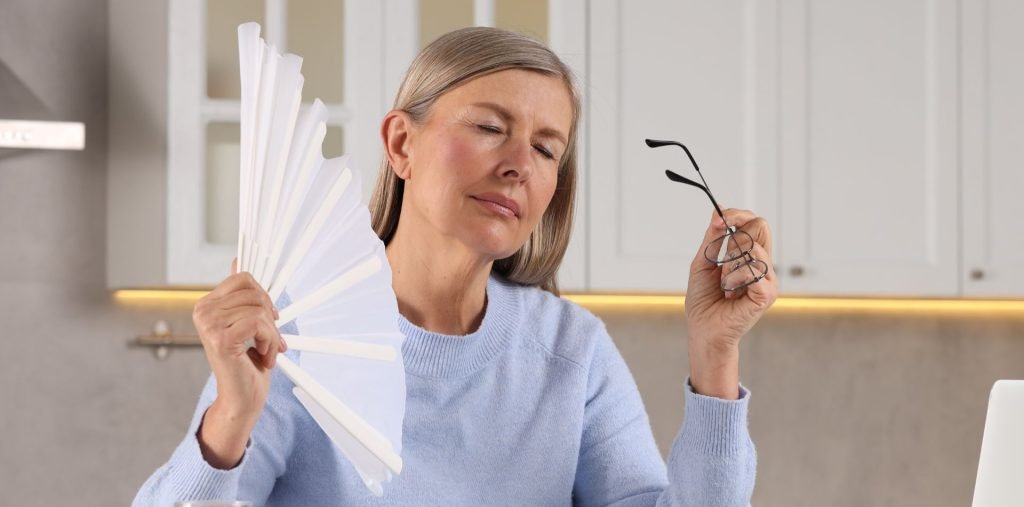
Let me start with this: if you’re here because your body has suddenly turned into a science experiment you didn’t sign up for, you’re not alone. I’ve been there too—googling every odd symptom, wondering why I felt like I was falling apart.
Is it stress?
Am I losing my mind?
No, my friend, it’s likely perimenopause knocking on your door.
Perimenopause is the transitional phase before menopause, and it can start as early as your late 30s (early menopause) or early 40s. It’s caused by fluctuating hormone levels, particularly estrogen, and can last for years before you hit menopause.
During this time, your body might send you a confusing array of signals, ranging from annoying to downright debilitating. Spoiler alert: the “34 symptoms of perimenopause” list isn’t a myth—it’s very real.
So, if you’ve been asking yourself, what are the 34 symptoms of perimenopause?, I’m here to break it all down for you.
We’ll also touch on some tips for managing these symptoms, including the role of perimenopause supplements and how to deal with those horrible perimenopause symptoms that can throw your life off balance. Let’s dive in.
What Is Perimenopause?
Before we tackle the symptoms, let’s chat about what’s happening in your body. Perimenopause is the time leading up to menopause, when your ovaries begin to produce less estrogen.
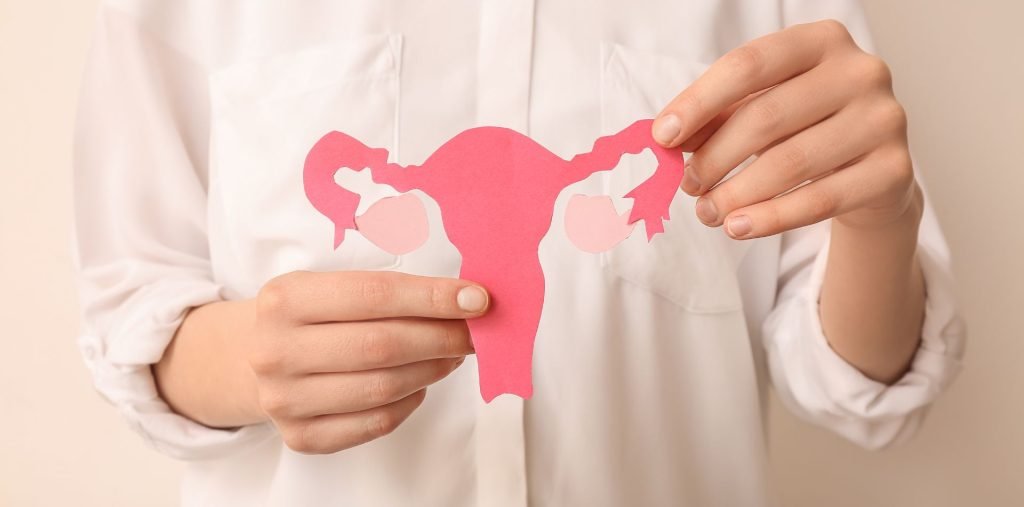
This hormonal decline doesn’t happen smoothly—it’s more like a rollercoaster, with unpredictable spikes and drops. That’s why symptoms can vary from day to day, or even hour to hour.
This phase can last anywhere from a few months to over a decade, and it officially ends when you haven’t had a period for 12 consecutive months—hello, menopause! But until then, the symptoms can be a wild ride.
Now that we know what we’re dealing with, let’s explore the infamous 34 symptoms of perimenopause and how they might show up in your life.
The 34 Symptoms of Perimenopause
Physical Symptoms

- Hot Flashes
Sudden waves of heat that can leave you sweaty and uncomfortable. They’re one of the most common and dreaded symptoms. - Night Sweats
Similar to hot flashes but happening while you sleep, often drenching your sheets. - Irregular Periods
Your cycle may become shorter, longer, heavier, or lighter—it’s like your uterus forgot how to keep a schedule. - Weight Gain
Many women notice weight creeping on, especially around the midsection. - Fatigue
That bone-deep exhaustion? It’s real, and it’s frustrating. - Bloating
Your digestive system may feel like it’s staging a protest. - Breast Tenderness
Sore, swollen breasts can mimic PMS but may occur at random times. - Hair Loss or Thinning
You may notice more hair in your brush or a thinner ponytail. - Dry Skin
Estrogen keeps skin hydrated, so declining levels can lead to dryness and itchiness. - Joint Pain
Achy joints might make you feel older than you are.
Emotional Symptoms

- Mood Swings
One moment you’re laughing; the next, you’re crying. Blame those hormones! - Anxiety
Unexplained nervousness or a sense of doom can creep in. - Depression
Hormonal changes can lead to feelings of sadness or hopelessness. - Irritability
Patience? What’s that? Everything and everyone might seem to get on your nerves. - Decreased Motivation
Feeling blah about things you once loved is common.
Cognitive Symptoms
- Brain Fog
Forgetting where you put your keys—or why you walked into a room—is a hallmark symptom. - Difficulty Concentrating
Staying focused can feel like an impossible task. - Memory Lapses
It’s not just you—short-term memory often takes a hit during perimenopause.
Other Symptoms
- Sleep Disturbances
Tossing and turning or waking up at odd hours is incredibly common. - Vaginal Dryness
This can make intimacy uncomfortable, but there are solutions (promise!). - Changes in Libido
You might notice an increase or, more commonly, a decrease in your sex drive. - Frequent Urination
That constant need to pee isn’t just aging—it could be perimenopause. - Headaches
Hormonal migraines can become more frequent or severe. - Heart Palpitations
Your heart racing for no reason can be unsettling but is usually harmless. - Dizziness
Feeling lightheaded out of the blue? Yep, that’s a symptom too. - Allergies
Weirdly enough, some women develop new allergies or sensitivities. - Tingling Extremities
Pins-and-needles sensations in your hands or feet can pop up. - Burning Mouth Syndrome
A burning or tingling sensation in the mouth, often inexplicable. - Body Odor Changes
Hormonal shifts can change the way you smell—lovely, right? - Dry Eyes
Your eyes may feel gritty or irritated more often. - Gum Problems
Bleeding or sensitive gums might make an unwelcome appearance. - Hair Growth in Unwanted Places
Hello, chin hairs! Hormones can cause hair to grow in odd places. - Muscle Tension
Tight, sore muscles are another surprising symptom. - Cold Flashes
The opposite of hot flashes, leaving you chilled to the bone.
Horrible Perimenopause Symptoms: The Toughest to Manage
Now, let’s talk about the symptoms that feel downright unbearable. For me, the hot flashes and night sweats were the worst—interrupting my sleep and leaving me exhausted the next day.
The brain fog was another major challenge; I’d forget simple tasks or lose my train of thought mid-conversation. And let’s not even get started on mood swings—I felt like a stranger to myself some days.
These horrible perimenopause symptoms can take a toll on your mental and emotional well-being, but there’s hope. Identifying these symptoms early and finding strategies to manage them can make all the difference.
Perimenopause Supplements: Can They Help?
When I first started experiencing symptoms, I was overwhelmed by all the advice about supplements. Here are some that might help:
- Black Cohosh: Known for easing hot flashes and mood swings.
- Magnesium: Great for sleep and stress.
- Vitamin D and Calcium: Vital for bone health, which becomes a concern during perimenopause.
- Omega-3 Fatty Acids: These can help with mood regulation and overall wellness.
- Ashwagandha: An adaptogen that helps with stress and anxiety.
While these perimenopause supplements aren’t a magic cure, they can provide relief when combined with lifestyle changes like a balanced diet, exercise, and stress management.
Coping Tips for Perimenopause Symptoms
Here’s what worked for me:
- Track Your Symptoms
Keeping a journal helped me identify patterns and triggers. - Find a Supportive Doctor
Having a healthcare provider who listens is invaluable. - Prioritize Self-Care
Exercise, mindfulness, and a good diet are your best allies. - Lean on Your Tribe
Talking openly with friends or loved ones can be incredibly comforting.
Remember, this phase won’t last forever, and you’re stronger than you think.
Conclusion: What Are the 34 Symptoms of Perimenopause?
To recap, perimenopause is a natural but often challenging phase that brings a variety of symptoms—34, to be exact. From hot flashes to brain fog, these changes can feel overwhelming.
But with the right approach, including exploring perimenopause supplements and managing horrible perimenopause symptoms, it’s possible to navigate this journey with resilience and grace.
You’re not alone, and this isn’t forever. Let’s continue to support each other through the ups and downs of this transition. What symptoms have you experienced? Share your story in the comments—I’d love to hear from you!