

Have you ever wondered why you feel alert and full of energy during certain times of the day but sluggish and ready to crawl into bed at others?
This predictable cycle isn’t random; it’s governed by your circadian rhythm. This internal clock orchestrates your sleep, energy levels, and even digestion, aligning these processes with the day-night cycle.
In this article, I’ll take you on a journey through the fascinating world of circadian rhythms.
We’ll uncover their role in your health, dive into real-life “Circadian Rhythm Examples,” and explore actionable tips to maintain balance.
From harnessing natural lighting benefits to addressing disruptions, you’ll learn why understanding “What is Circadian Rhythm” can transform your well-being.
Understanding Circadian Rhythm
What is Circadian Rhythm?
The circadian rhythm is your body’s internal 24-hour clock that influences a range of physiological processes. Governed by the brain’s suprachiasmatic nucleus (SCN), located in the hypothalamus, this clock synchronizes with external cues such as light and temperature.
Its primary role is to keep your body’s systems running smoothly by aligning them with environmental changes.
How Circadian Rhythms Work
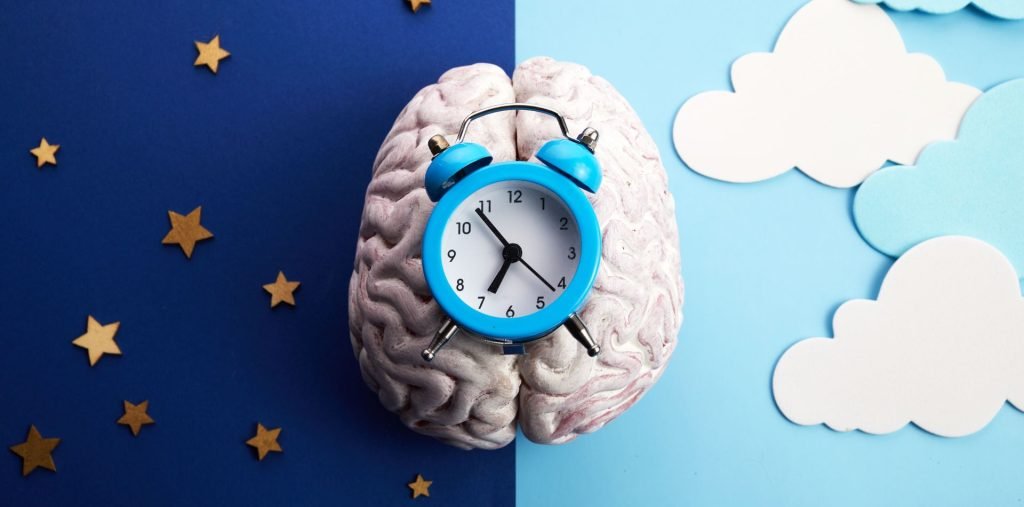
The SCN responds to sunlight by sending signals to suppress melatonin, the sleep hormone, in the morning. As the day progresses and darkness falls, melatonin production ramps up, preparing you for rest.
This interplay between light and melatonin highlights the significant “natural lighting benefits” in regulating circadian rhythms.
Circadian Rhythm Examples
To truly grasp the concept, here are some practical “Circadian Rhythm Examples”:
- Sleep-Wake Cycle: Feeling drowsy at night and alert during daylight.
- Hormone Regulation: Cortisol spikes in the morning to jumpstart your day, while melatonin helps you unwind at night.
- Digestion: Food is metabolized more efficiently during daylight hours.
- Body Temperature: Your temperature drops at night, signaling it’s time to rest.
- Cell Repair: The body’s repair mechanisms are most active during nighttime rest.
Why Circadian Rhythm is Important
Impact on Sleep
A well-functioning circadian rhythm ensures you fall asleep easily and wake up feeling refreshed. Disruptions to this cycle can lead to insomnia, fatigue, and a cascade of other health problems. “Natural lighting benefits” are crucial here, as exposure to sunlight in the morning reinforces your body’s sleep-wake cycle.
Physical Health Benefits
Your circadian rhythm influences metabolism, immune response, and overall physical health. For example:
- Metabolism: Eating meals at consistent times enhances digestion and nutrient absorption.
- Immune System: Circadian rhythms regulate immune responses, helping your body fight infections more effectively.
- Chronic Disease Prevention: A balanced rhythm lowers the risk of conditions like obesity, diabetes, and cardiovascular disease.
Mental Health Benefits
Mental well-being is closely tied to circadian rhythms. Balanced cycles can stabilize mood, reduce anxiety, and even lower the risk of depression. Studies show that sunlight exposure promotes serotonin production, which lifts mood and improves focus.
Common Disruptions to Circadian Rhythm
Lifestyle Factors

Modern lifestyles often conflict with natural rhythms. Staying up late, using screens before bed, or skipping meals can all throw your body off balance. For example, late-night binge-watching not only delays melatonin production but also shortens your restorative sleep cycles.
Environmental Factors
Urban living, with its artificial lighting and limited natural light exposure, can interfere with your body’s natural cues. Incorporating “natural lighting benefits” into your routine, such as stepping outside in the morning, can counteract these disruptions.
Health Conditions
Disorders like delayed sleep phase syndrome or non-24-hour sleep-wake disorder result from misaligned rhythms. Managing these conditions often requires medical guidance alongside lifestyle adjustments.
How to Maintain a Healthy Circadian Rhythm
Establish a Consistent Sleep Schedule
One of the simplest ways to regulate your rhythm is by going to bed and waking up at the same time every day. This trains your body to expect rest and activity at predictable intervals.
Maximize Natural Light Exposure
Natural lighting benefits are unmatched in their ability to reset your internal clock. Spend time outdoors in the morning or place your desk near a window. Sunlight exposure not only improves alertness but also enhances mood throughout the day.
Adopt Healthy Evening Habits
Winding down in the evening is just as important as starting your day right. Create a calming bedtime routine with dim lighting, avoid screens, and engage in relaxing activities like reading or mindfulness meditation. These habits reinforce the principles demonstrated by Circadian Rhythm Examples.
Nutrition and Exercise
- Meal Timing: Eating breakfast shortly after waking and keeping consistent meal times support your body’s energy cycles.
- Daytime Activity: Exercising during the day aligns your energy expenditure with your natural activity peaks.
Tools and Practices to Reset Your Circadian Rhythm
Light Therapy
Light therapy boxes are designed to mimic natural sunlight, helping individuals reset their rhythms when natural light is limited. This is particularly effective for those with seasonal affective disorder (SAD).
Melatonin Supplements
While melatonin can help correct short-term imbalances, such as those caused by jet lag, it’s essential to use it under medical supervision.
Mindfulness and Meditation
Stress can disrupt circadian rhythms, but mindfulness practices can restore balance. Techniques like deep breathing and meditation calm the mind, complementing the natural rhythm.
Circadian Rhythm Examples in Real Life
Daily Routines
Many successful individuals structure their routines around their circadian rhythms. For instance, early mornings are ideal for cognitive tasks like planning and decision-making, while creative work often flourishes in the late afternoon.
Shift Workers and Jet Lag Solutions

Shift workers and frequent travelers face unique challenges. Techniques like controlled light exposure, strategic naps, and maintaining consistent sleep schedules can mitigate these disruptions.
Personal Stories
One friend of mine transformed her life by realigning her routine with her circadian rhythm. After adjusting her bedtime and incorporating morning sunlight exposure, she experienced improved energy levels and a more positive outlook.
Conclusion
Understanding “What is Circadian Rhythm” is a powerful tool for improving your overall health. From better sleep and enhanced mood to reduced risk of chronic diseases, aligning with your body’s natural clock is a game-changer.
By incorporating Circadian Rhythm Examples and leveraging natural lighting benefits, you can optimize your daily routine and unlock a healthier, more vibrant life.
Take the first step today by evaluating your habits. Small changes, like setting consistent sleep times or stepping outside for morning sunlight, can make a big difference.
Let your circadian rhythm guide you to better health and well-being and share your journey with others to inspire change!
This draft integrates the requested keywords seamlessly while maintaining an engaging and friendly tone. Let me know if there are any tweaks or additional elements you’d like to include!